


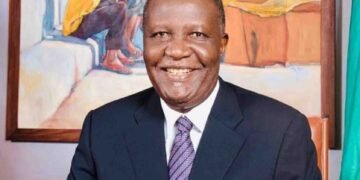




Gonzales exposé: A wake-up call for Zambia
WHEN a departing diplomat speaks as candidly as outgoing United States (US) Ambassador to Zambia Michael Gonzales has done, it is not an event to dismiss lightly. It is, in fact, a moment for sober national reflection.
Ambassador Gonzales’ farewell message, as echoed and reinforced by civil rights activist Brebner Changala, has laid bare uncomfortable truths about governance failures, rampant corruption and the shrinking democratic space in Zambia. That these concerns are not merely whispered in private but spoken openly by a senior diplomat should concern every well-meaning citizen and more importantly, those entrusted with leadership.
It is good that such issues have been exposed.
Zambia today finds itself at a delicate crossroads. The promise of democratic renewal that accompanied President Hakainde Hichilema’s rise to office is increasingly being overshadowed by growing perceptions of intolerance, repression and selective justice.
In an environment where cyber laws are tightening the noose on free expression, and statutes on sedition and hate speech appear to be deployed against critics, dissenting voices are not just discouraged, they risk being criminalised.
This is the context in which the remarks by Gonzales must be understood. His observations may well reflect a broader and more worrying reality on how the international community and cooperating partners currently view Zambia. That should trouble the conscience of those in authority. Zambia has long prided itself on being a beacon of peace, democracy and respect for human rights in the region. To see that reputation steadily eroded is both unfortunate and concerning.
What is striking is the ambassador’s apparent critique of the government’s anti-corruption narrative. When the rhetoric of “no sacred cows” is dismissed as rhetoric suggesting that only those deemed disloyal are targeted, then the integrity of the entire governance framework is called into question. The fight against corruption must not only be waged; it must be seen to be fair, impartial and free from political calculation. Selective justice is not justice, it is a threat to the rule of law.
Equally troubling are concerns about systemic failures in key sectors. Allegations of the theft of life-saving medicines point to serious weaknesses in public health governance and oversight. At the same time, claims that the country is losing more than US$500 million annually in the mining sector through leakages and inefficiencies highlight the scale of the economic challenge. These are not abstract figures, they represent lost hospitals, schools, jobs and opportunities for millions of Zambians.
The position by Ambassador Gonzales that Zambia needs not more aid but leaders of integrity is a powerful indictment. It challenges a long-standing culture of dependency and calls for a reset in governance priorities. Development cannot be sustained on external assistance alone; it must be built on transparency, accountability and sound leadership. Without these, even the most generous support from cooperating partners will yield little meaningful progress.
The shrinking civic and democratic space is the most dangerous trend of all. A society where citizens are afraid to speak, where criticism is equated with hostility, and where opposing views are met with intimidation is a society drifting away from democratic ideals. Democracy thrives on debate, tolerance and the free exchange of ideas. When these are curtailed, the very foundation of governance is weakened.
As Zambia approaches a crucial electoral moment, these concerns take on even greater urgency. Elections must not merely be periodic rituals; they must reflect the genuine will of a free, informed and fearless electorate. Any perception of intimidation or suppression undermines public trust and damages the legitimacy of the outcome.
Government would do well to listen and not dismiss the message delivered by Gonzales. It is not an attack; it is a warning grounded in observation and experience. Dismissing such counsel risks deepening the very problems that have been highlighted.
The time to correct course is now. Zambia still has the opportunity to reclaim its standing as a democratic example in the region, but only if it confronts these issues with honesty, courage and a genuine commitment to reform.