





‘CARELESS’ CHIEFS UNDER FIRE
…Kapwepwe lectures chiefs on endorsements
By Charles Musonda
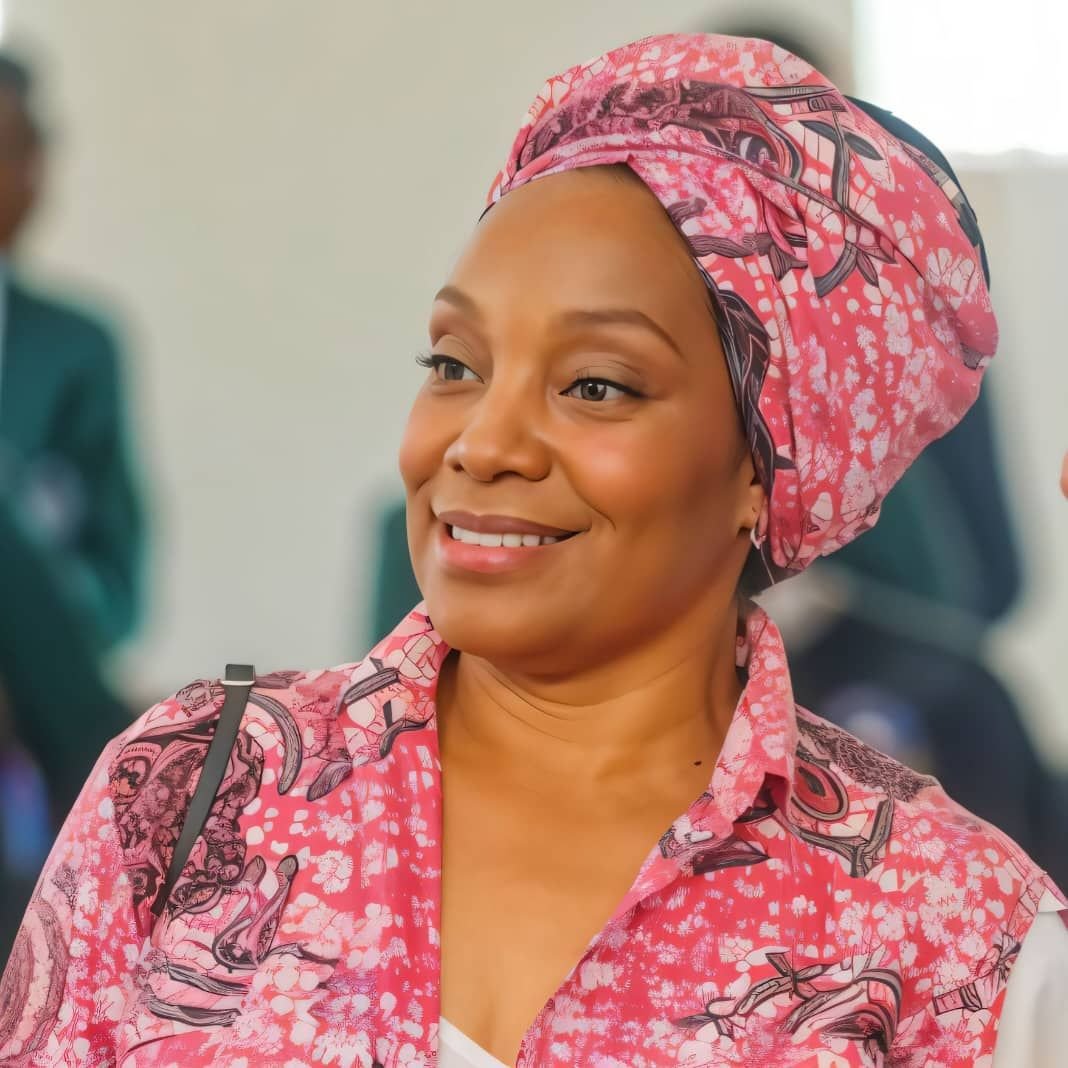
IT IS awkward for chiefs to issue partisan statements and openly endorse political candidates of their choice, says sociologist Mulenga Kapwepwe.
In an interview with The Mast Wednesday, Kapwepwe, the daughter of Zambia’s first vice president Simon Mwansa Kapwepwe, said chiefs should play a role that encouraged democracy.
She said it was important for traditional leaders to help create a political environment in the country palatable for everyone.
Some chiefs have publicly endorsed President Hakainde Hichilema as their preferred candidate in the August general elections, which has attracted condemnation from stakeholders accusing the traditional leaders of reducing themselves to political cadres.
“Once a chief endorses a particular candidate, other candidates who are vying for that same position feel that they are not allowed to come and see you because you have made your point clear that they are not welcome. Those are the implications,” Kapwepwe said.
She urged chiefs to be above politics by being careful when commenting on political issues.
Once chiefs made their political position public, they stopped other competitors from reaching out to their chiefdoms.
“Even if I have an opinion [different from the chiefs], I should be able to go to the palace and have a conversation [with him]. Even if in the heart of that chief he says, ‘I will not endorse you’, but I should be free to go there. But how free will a candidate be to go to a chief’s palace when he knows the position of that chief?” Kapwepwe said.
She said it was important for traditional leaders to keep their opinion about a preferred candidate to themselves rather than announcing it because doing so had the potential to instill fear in people whose preferred candidates were different from the chiefs.
The traditional leaders should also realise that their leadership position was influential to society.
They should therefore be above partisan politics.
Kapwepwe urged chiefs to speak publicly on issues that benefited their subjects and not political endorsements for personal recognition, as was the case.
“It’s awkward when a chief comes out to support one side. Chiefs are chiefs for everyone in their chiefdoms, and if they start endorsing one particular candidate, leaving out others, they make it difficult for others who might also have their own views about who they want to endorse. So, they make it uncomfortable for other subjects who are not for the person they have endorsed,” she said.
Kapwepwe said chiefs should keep their endorsements to themselves to avoid dividing their subjects.
“Therefore, the chief can keep their opinion. But when a chief starts endorsing a particular candidate openly, I think it is very unfortunate and it does not build unity. Once a chief aligns himself to one side, what about his subjects who are not aligned to that side? We know that chiefs have a right to democracy and have a right to express their opinion about whatever,” she said.