






FARMERS MOURN LOSS
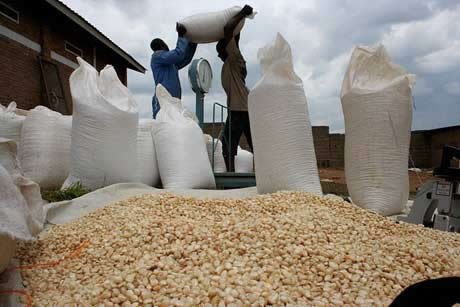
…9,000 bags of maize drenched in rain at FRA
By Thandizo Banda
TRAGEDY has befallen scores of farmers who have lost hundreds of thousands of kwacha at Imansa Food Reserve Agency (FRA) depot in Kapiri Mposhi District after close to 10,000 bags of their maize were soaked by heavy rains on Friday.
One of those affected, Conrad Siamuyoli, told The Mast at the weekend farmers had camped at the depot for close to two months waiting for storage sacks.
Siamuyoli said the situation culminated in the closure of the maize buying exercise by FRA on September 30.
“We have been here for over two months with our maize we brought to the depot, but the FRA can’t get it because they don’t have sacks. The unfortunate part is that a downpour hit us and destroyed our grain. Our maize got soaked,” he said.
Siamuyoli said the farmers had lost huge sums of money in the uncollected grain at the FRA depots because it would now be infected by fungi.
Imansa Ward councillor William Kasusu said over 9,000 bags of maize were soaked and pleaded with FRA to find ways of helping the affected farmers.
Kasusu said it was not the responsibility of farmers to look for sacks.
Government should look at possible ways of compensating those affected.
“This unfortunate situation follows a warning I recently gave to FRA of early rains which might spoil the farmers’ produce. This should never be a problem for farmers but for the FRA. My appeal is for FRA and government to look at possible ways to help those affected,” he said.
National Smallholder Farmers Association of Zambia (NASFA) executive director Dr Frank Kayula said smallholder farmers should begin to look elsewhere for markets for their produce.
Dr Kayula said the abrupt closure of the buying exercise by FRA was inevitable after surpassing the initial target and further buying over 2.7 million metric tonnes of maize.
“Farmers must now start to trust each other and identify markets locally and in the region where they can sell their produce, much as the FRA may be the best ready market and prices,” Dr Kayula said.