





Things fall apart, Achebe lives on
…The Nigerian literary icon’s timeless masterpiece continues to shape African literature and influence generations
By Hicks Sikazwe
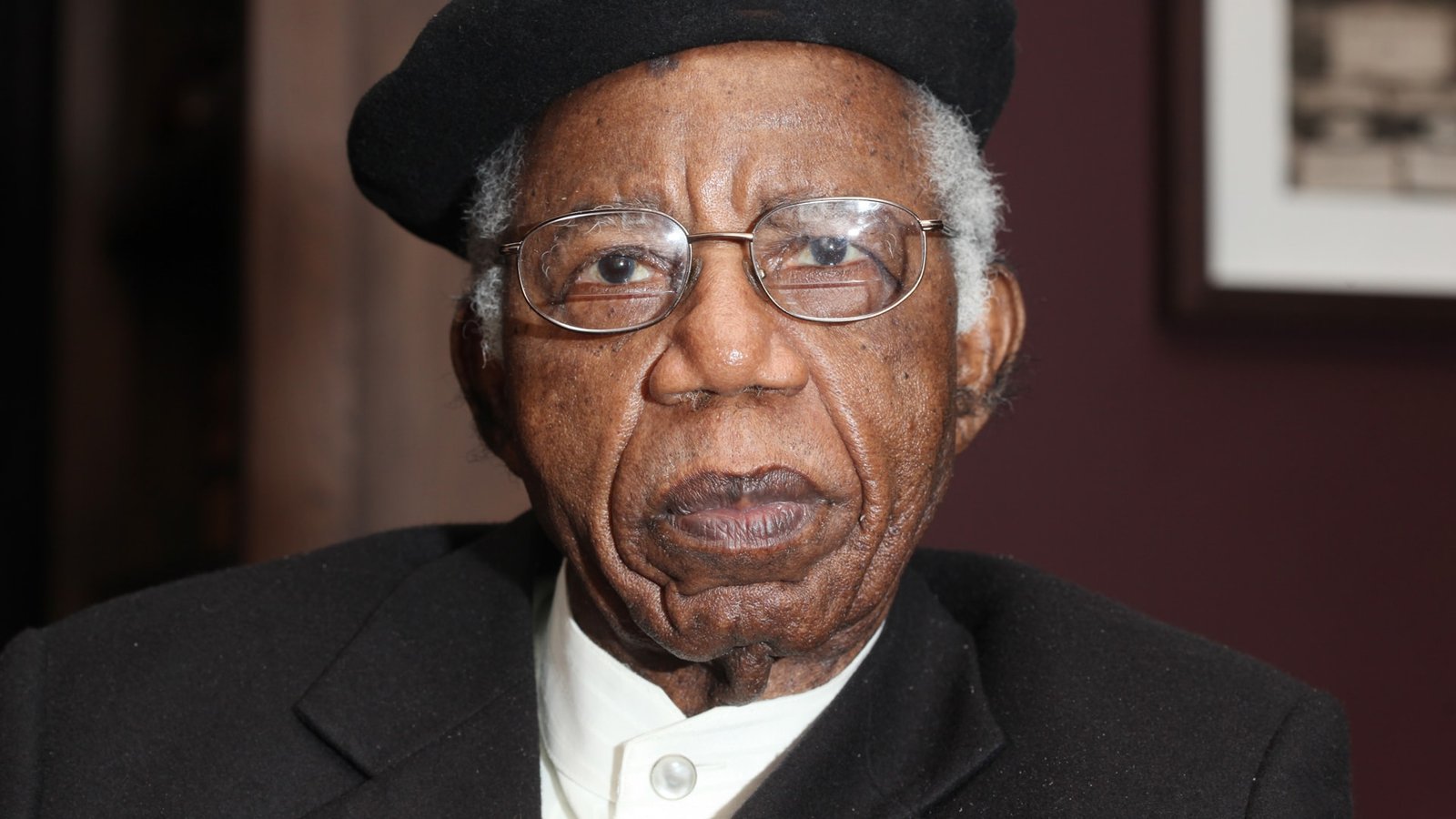
IF NIGERIAN prolific novelist Chinua Achebe, the author of one the best literary pieces to have come out of Africa, Things Fall Apart, had not died in March 2013, he would have turned 96 last Monday. All the same the world commemorated his birthday posthumously with a flurry of tributes.
Translated in more than 50 languages, his first novel Things Fall Apart published in 1958 when he was just 28-years-old, has earned him the title of the father of modern African literature and deservingly so.
The book has since sold millions of copies globally. His second book No longer at ease attracted immediate and equally large reader attention as it is portrayed as a sequel to the first. Things Fall Apart has since been recognised by Encyclopedia Britannica.
A classic piece of African literature, Things Fall Apart is set in colonial Nigeria portraying the arrival of the white man, who introduces religion that later clashed with local traditions and culture. It features Okonkwo, the village hero and symbol of resistance to the new cultural domination. The settlers succeed to break the African way of life hence the title of the book deriving from one of Okonkwo’s kinsmen lament; the white man has put a knife between things that held us together. A brilliant piece of work that many of us have reread several times.
A skilled broadcaster, poet and prolific writer, Professor Achebe later moved into academia ending as professor of Africana Studies in the United States (US) continuing to churn out follow up publications, such as Arrow of God, A Man of the People, Anthills of the Savannah, Beware Soul brother, The Trouble with Nigeria and lot more other master-pieces.
He also taught at Universities of Nigeria, and Nsukka Journal of Religion and Cultural Studies (NJRCS). He received more than 30 honorary degrees from universities around the world. He was honoured with the Nigerian National Merit Award, one of the country’s highest recognitions for intellectual achievement.
He was later to become the founding editor and face of the African Writers Series at Heinemann, a leading British publishers, opening floodgates for generations of African writers who got their manuscripts worked on including Zambia’s first president Kenneth Kaunda who published his first book, Zambia Shall be free, there.
“Happy posthumous birthday literary icon. Though you departed from us .your ink is still fresh in the books you wrote,” noted one tribute in a Facebook post.
He is (was) one the best writers in Africa,” echoed another. “Heroes don’t die,” declared the next “Great leader behind a pen,” added the following eulogy.
The tributes continued, “Rest on legend. One of your proverbs has remained undulated in my brain: “When a mad man walks naked in the streets it is his kinsmen that feel the shame.”
“My interest in reading Things Fall Apart followed an encounter of a story titled The Death of Ikemefuna, in a comprehensive English language passage at school. At the end of the passage, it was indicated that the story was lifted from Chinua Achebe’s book, Things Fall Apart. That immediately stirred my curiosity to read the entire novel. What a beautiful read it turned out to be. Then came Arrow of God, No longer at Ease, and so on. There is hardly a book written by Chinua Achebe that I haven’t read. His literary work left an impression on me that has endured over the years.
Though he was denied the Nobel Prize for literature, many believe because of the anticolonial narrative of Things Fall Apart and other publications, Achebe bagged a string of accolades some of which African Literary Inks, a site which explores African literatures, lists as follows;
- In 1958, Achebe published Things Fall Apart his ground breaking debut novel. It became one of the most widely read African novels in history selling millions of copies and being translated into more than 50 languages
- In 1962, he became the founding editor of Heineman’s African writers’ series, a land mark publishing initiative that helped introduce generations of African writers to international readerships.
- In 1972, he won the Commonwealth Poetry Prize for his poetry collection, Beware Soul Brother and other poems.
- In 2002 he received the Peace Prize of the German Book Trade, recognizing his literary achievements and his contribution to intercultural understanding.
- In 2007, he became the first recipient on the Man Booker International Prize, awarded in recognition of his outstanding contribution to literature.
- In 2010, he received the Dorothy and Lillian Gish prize , one of the most prestigious awards recognizing outstanding contributions to the arts
Added to the above scores, Achebe’s Things Fall Apart is one of the few books that has been used in English literature studies in the entire African continent and beyond. One can traverse the continent and would likely encounter hundreds of former pupils and students of literature in English that have studied the epic publication.
As still a primary school pupil around 1969/1970, Things Fall Apart is one of the novels I first read followed by Ngugi’s Wathiongo’s Weep not Child. The major attraction of the book apart from the story, Achebe uses very simple language that is easy to follow.
In later years, I studied literature in English at secondary school in 1975 and 1976 only to find Things Fall Apart was among the prescribed books for the subject, t which I took in form four and five. In 2001, I met professor Achebe in the United States (US) by then he was wheelchair bound.
Achebe’s books and those of Wathiong’o contributed to my early interest in reading African writers series editions that emerged from the continent but more crucially, they also played a critical role in my decision to go into journalism and the writer I am today.
Professor Achebe was not only Africa’s literary giant but he was an icon who mentored a lot of people to pursue careers in communication, literature, writing and journalism.
Late Kenyan Professor Ngugi in one of his television interviews confessed how he met Achebe at a book conference at Makerere University in Uganda and gave him a manuscript of his book. Ngugi was surprised that the manuscript was forwarded to the African writers’ series publishers in the United Kingdom (UK).
This was the first meeting for the two authors. Professor left and indelible mark in African literature currently trending globally. Continue to rest in peace literary legend.
Hicks Sikazwe is author of Zambia’s Fall-back Presidents, Wasted Years, and Voters in Shadows. A former deputy Editor- in-Chief of the Times of Zambia, he is currently Communications and Media Affairs Advocate based in Ndola. Comments 0955/0966929611 or hpsikazwe@gmail.com