




Pay us before we all die, retrenchees cry
By Thandizo Banda
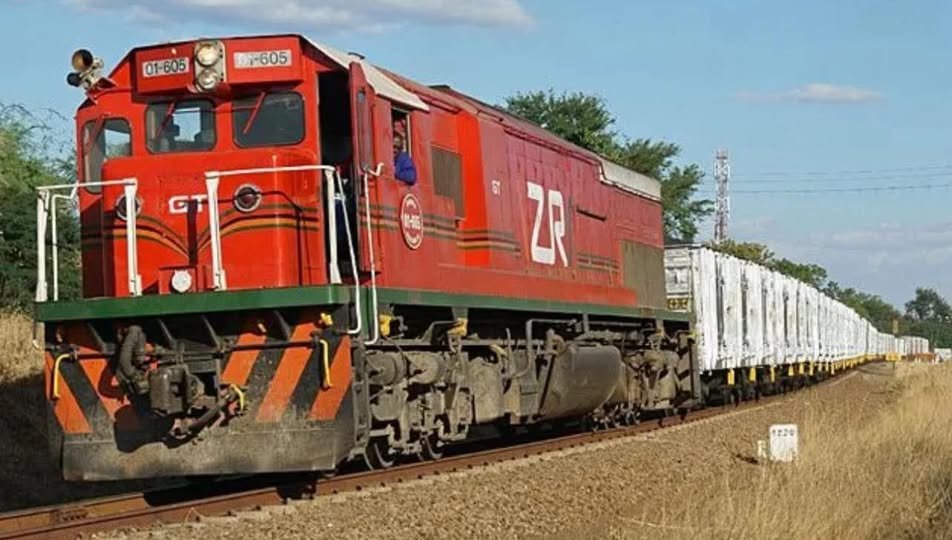
OVER 150 former Zambia Railways Limited (ZRL) workers retrenched in 1992 have expressed fear that they may all die without getting their terminal benefits estimated at K6 million, their spokesperson Charles Mbofwana has said.
The state-owned railways firm is battling severe operational and financial constraints, with salaries constantly delayed and some employees facing possible layoff.
The fear follows the death and burial in Kabwe last week of one of the retrenchees, Teddy Madichi, 78, who died without receiving his benefits.
Speaking in an interview with The Mast, Mbofwana said if government did not do anything about their grievance, members might all die without getting their money.
“We have endured 34 years of hardship and anxiety, with most of our members dying without getting their money,” he said.
Mbofwana said the K6 million is owed in underpayments arising from High Court judgment 1995/HB/178 and Supreme Court judgment 168/2000, which have not been executed to date.
The group disputes claims that government no longer owed the former Zambia Railways workers any money.
He said the group now wanted President Hakainde Hichilema to grant them an appointment to resolve the matter after exhausting all other channels.
“We followed protocol by engaging relevant government offices before seeking to meet the President, our most recent engagement being with Levy Ngoma, special assistant to the President for politics,” Mbofwana said.
Efforts to meet Hichilema during his recent campaign visits to Kabwe had not materialised, and his speech had not touched on their plight, which left the former employees disappointed.
Mbofwana said the group wanted government to state its interpretation and official position on the two judgments as their assessment showed they were entitled to the K6 million balance.
He said the delay had left many families in poverty.
“We are not asking for favours. We are asking for what the courts already awarded us. All we want is closure and justice for our families,” Mbofwana said.
The dispute is among several long-standing public service and parastatal retrenchment cases dating back to the 1990s that successive governments have struggled to resolve.