





Muhanga calls for wildlife protection partnerships
By Adrian Mwanza
GOVERNMENT has called for stronger international partnerships and practical interventions to safeguard Zambia’s wildlife, protected areas and tourism-dependent communities against climate change.
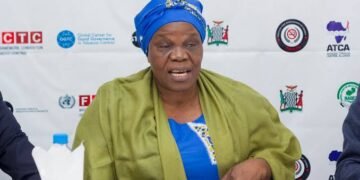
Speaking on the sidelines of the 31st United Nations Climate Change Conference (COP31), Ministry of Tourism Permanent Secretary Evans Muhanga said climate change was increasingly threatening biodiversity, water resources, food security and livelihoods.
He said it was imperative for countries to move beyond commitments towards concrete action.
Muhanga said Zambia’s participation in COP31 demonstrated Government’s commitment to advancing sustainable tourism development, biodiversity conservation and climate resilience through a coordinated, whole-of-government approach.
He said the ministry working closely with the Ministry of Green Economy and Environment and other stakeholders, was implementing various interventions aimed at strengthening environmental sustainability, especially in national parks, wildlife conservation areas and tourism destinations.
“Climate change is no longer a distant threat. We are witnessing its effects through changing rainfall patterns, increasing pressure on water resources and growing challenges affecting wildlife, agriculture and communities living around protected areas.
“We must move from dialogue to action and ensure that the commitments made at international platforms translate into tangible benefits for our people,” Muhanga said.
He highlighted the World Bank-supported Green, Resilient and Transformational Tourism Development Project (GREAT-TDP) as one of the initiatives through which Government was promoting sustainable tourism infrastructure, environmental protection and improved livelihoods in tourism-dependent communities.
Muhanga said the project was contributing to Zambia’s efforts to strengthen its green tourism credentials by promoting environmentally responsible tourism development and supporting communities to become more resilient to climate-related challenges.
He emphasised the importance of promoting renewable energy solutions, including solar energy, and encouraging tourism operators to adopt environmentally sustainable practices that reduce their ecological footprint.
He said Zambia’s national parks and protected areas were vulnerable to climate-related pressures, including changing weather patterns, water scarcity and increasing competition for natural resources between wildlife and surrounding communities.
Muhanga said addressing these challenges required coordinated interventions that balanced biodiversity conservation with the socioeconomic needs of communities whose livelihoods depended on natural resources.
He said communities living around protected areas must be recognised as critical partners in climate action and should benefit directly from conservation initiatives, sustainable tourism investments and international climate financing mechanisms.
“We cannot talk about successful conservation and climate resilience without addressing the needs of communities living alongside wildlife. These communities must see tangible benefits from protecting our natural resources, while receiving the necessary support to adapt to the effects of climate change,” he said.
Muhanga also called for strengthened collaboration between developed and developing countries to ensure that climate financing reaches vulnerable countries and communities bearing the greatest burden of climate change.
He observed that international climate negotiations must deliver practical financing solutions that support conservation, sustainable livelihoods, climate adaptation and the protection of critical ecosystems.
Muhanga said COP31 provided an important opportunity for Zambia to engage international development partners, conservation organisations, climate financiers and other stakeholders on partnerships that could accelerate the country’s transition towards a greener and more resilient tourism sector.
He reaffirmed the ministry’s commitment to working with relevant Government institutions, cooperating partners, the private sector and local communities to ensure that tourism development contributes meaningfully to national climate action and sustainable economic growth.
Muhanga expressed optimism that the conference would produce actionable outcomes on climate financing, adaptation and community resilience.
“Our expectation is that the discussions taking place here will result in meaningful partnerships, increased financing and practical solutions. The time for action is now, and Zambia remains committed to ensuring that tourism and conservation are part of the global response to climate change,” he said.