






‘Don’t suffocate Zambians with growth agenda’
By Thandizo Banda
THE Zambia Consumer Association (ZACA) has warned government not to turn its Grow Zambia Agenda into a burden on ordinary households.
The consumer body said proposed duties on edible oils in the 2027 National Budget could make locally produced soya bean oil more expensive than imported palm oil.
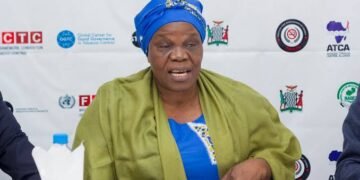
In a statement, ZACA executive secretary Juba Sakala said while the organisation supported government’s efforts to promote local agriculture, strengthen value addition, create jobs and reduce dependence on imports, those policies should not come at the expense of consumers already struggling with the high cost of living.
“Cooking oil is a basic household necessity, making local alternatives more expensive risked discouraging consumers from supporting local products,” Sakala said.
“These policies must not come at the expense of consumers.”
Sakala said making locally produced alternatives more expensive risked discouraging consumers from supporting local products.
ZACA said it was also concerned about the cumulative impact of the proposed tax measures, including increases in VAT, sugar-related taxes and mobile money transaction levies.
“When combined with duties affecting essential commodities, the association warns the cost of doing business and the prices paid by ordinary households will inevitably come under further pressure,” he said.
“Government must therefore strike a careful balance between protecting local industries and protecting consumers”
ZACA recommended targeted incentives for local soybean farmers, processors and edible oil manufacturers.
It urged government to review the duty structure to ensure locally produced soya bean oil remained competitive against imported palm oil.
“The Grow Zambia Agenda must translate into affordable products, increased local production, employment creation and improved household welfare,” Sakala said.
“Growing Zambia should not mean making life more expensive for Zambians. Local industrial growth and consumer affordability must go hand in hand,” Sakala said.