






Don’t confuse maintenance with load shedding, says energy expert
By Ludia Ngwadzai
ENERGY expert Bonface Zulu has urged Zambians not to mistake planned maintenance works by Zesco for load shedding, saying routine maintenance is necessary to keep the power grid reliable and safe.
In an interview with The Mast, Zulu said Zesco was expected to carry out maintenance on its generation, transmission and distribution infrastructure as Zambia prepares for the rainy season.
He said the works should not be read as a sign of a power shortage because they were planned to prevent faults and strengthen the system.
“These works are not load shedding. They are part of a long-standing practice to keep the grid reliable and safe,” Zulu said.
He said maintenance was comparable to servicing a vehicle before embarking on a long journey, explaining that equipment could appear to be functioning normally while still requiring inspection and servicing.
“Maintenance is like servicing your car before a long journey. The car may be running fine, but if you don’t check the brakes, oil, and engine, it could break down later,” he said.
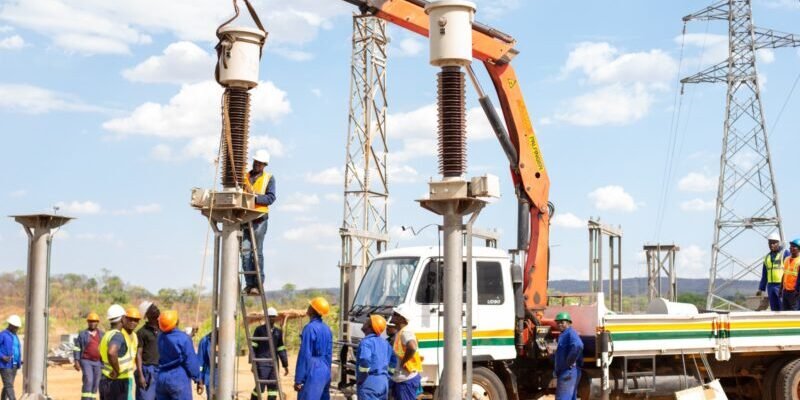
He said for Zesco, maintenance involved inspecting turbines, transformers, solar inverters and transmission lines to prevent faults and ensure the reliability of the electricity system.
Zulu said temporary power interruptions could occur in areas where works were being undertaken, but such interruptions should be distinguished from power cuts caused by inadequate generation.
“During maintenance, power may be switched off in certain areas for a short time, but this is not because of shortage, it is because equipment is being repaired or upgraded to keep the system strong,” he said.
Zulu contrasted this with load shedding, which he described as a response to insufficient electricity generation to meet national demand.
“Load shedding happens when the country does not have enough electricity to meet demand,” he said.
Zulu said load shedding was used to manage electricity shortages by rotating available supply among different areas.
“Load shedding is a crisis response to shortages, while maintenance is a planned activity to prevent problems,” Zulu said.
He said Zambia’s electricity system had become larger and more complex, making regular maintenance increasingly important.
Zulu said the country’s installed generation capacity stood at about 4,576 megawatts, comprising hydropower, solar and thermal generation.
He put installed hydropower capacity at more than 3,100MW, while solar capacity was estimated at about 841MW and thermal generation at more than 550MW.
Zulu said average generation in 2026 was about 2,400MW against average demand of approximately 2,300MW, while peak demand stood at around 2,800MW.
He said the figures demonstrated the importance of maintaining all components of the electricity system as Zambia continued diversifying its generation mix.
Zulu also said maintenance was not a new practice at Zesco arguing that routine works had been carried out on generation plants, transmission lines and distribution networks for many years.
“Maintenance has always been part of Zesco’s responsibility to keep the system running,” he said.