





Zambia’s rights reputation at risk
THERE is something seriously troubling about seeing Zambia, a country long respected for its democratic credentials, peaceful political transitions and commitment to the rule of law, being placed under the human rights spotlight by the United Nations (UN).
This is not a development that any patriotic and well-meaning Zambian should celebrate. It should worry all of us.
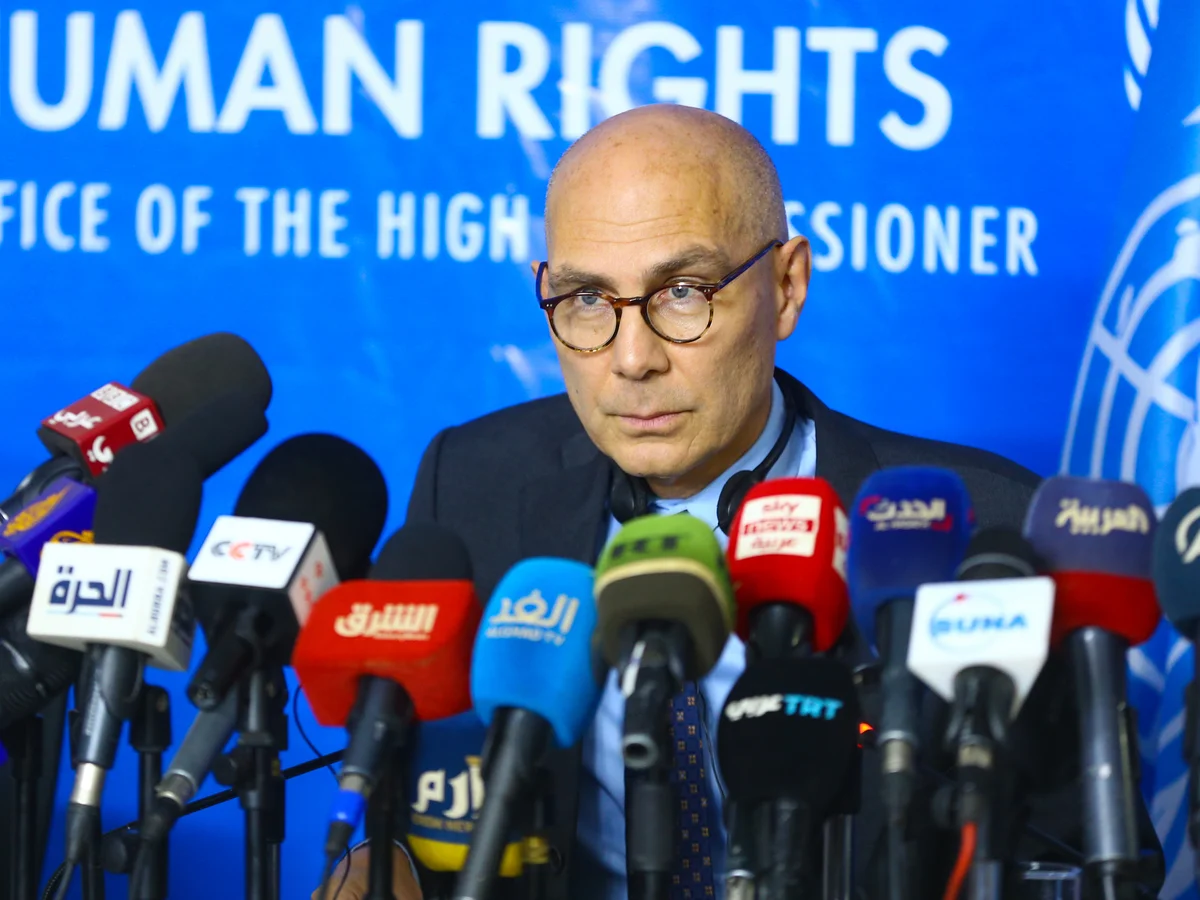
United Nations High Commissioner for Human Rights Volker Türk has expressed deep concern over reports of the arrest and detention of opposition leaders and members before, during and after the August 13 general election. His warning that arrests and court proceedings must comply with international human rights standards and Zambian law should not simply be dismissed as foreign interference. It should be treated as an important wake-up call.
For decades, Zambia earned the respect of the international community as a beacon of democracy in Africa. The country became known for peaceful transfers of power, tolerance of political dissent and a general respect for constitutionalism. That reputation was not handed to Zambia on a silver platter. It was built by generations of Zambians and political leaders who understood that the strength of a democracy is measured not by how those in power treat their supporters, but by how they treat those who disagree with them.
It is therefore sad that the country has now deteriorated to a point where the UN human rights chief feels compelled to publicly urge authorities to stop arbitrary arrests and respect the rights of detainees.
The recent arrests before and after the election have undoubtedly dented Zambia’s reputation in the eyes of the international community. Whether those arrested are accused of serious offences or minor violations, the law must be followed. The presumption of innocence, access to lawyers, communication with family members and prompt appearance before a competent court are not privileges reserved for the politically connected. They are fundamental rights.
The Government must therefore take the concerns raised by Türk seriously.
The UN is concerned that detainees should be informed promptly of the reasons for their arrest and any charges against them. This is a basic requirement of justice. A government that believes in the rule of law should have nothing to fear from transparency and due process.
It is equally important that the authorities understand that protecting human rights does not mean shielding people from prosecution when they genuinely break the law. Those suspected of wrongdoing should be investigated and, where evidence exists, prosecuted. But prosecution must take place through lawful procedures and not through intimidation, prolonged detention or denial of basic rights.
The post-election period is precisely when restraint is most necessary. Political tensions are often heightened after elections, especially when sections of society dispute aspects of the electoral process. The answer cannot be to silence dissent or treat political opposition as an enemy of the State.
Instead, Government must create space for grievances to be expressed peacefully and resolved through institutions established by law.
Zambia cannot afford to lose its democratic identity. The country has too much history and too much goodwill invested in being regarded as a peaceful democracy.
The warning from the UN should therefore be seen as an opportunity for introspection rather than confrontation. Government should review the circumstances surrounding the recent arrests, ensure that detainees’ rights are respected and demonstrate through action that Zambia remains committed to constitutional democracy.
The world is watching, but more importantly, Zambians are watching.
Our democratic reputation is a national asset. It must not be squandered through actions that create the impression that political power has become more important than the rights and freedoms of citizens.
Zambia must return to the values that made it a beacon of democracy. The country must never become known for violating the very rights it once proudly defended.