






ZAMBIA’S international reserves increase to US$6.5 billion
By Ludia Ngwadzai
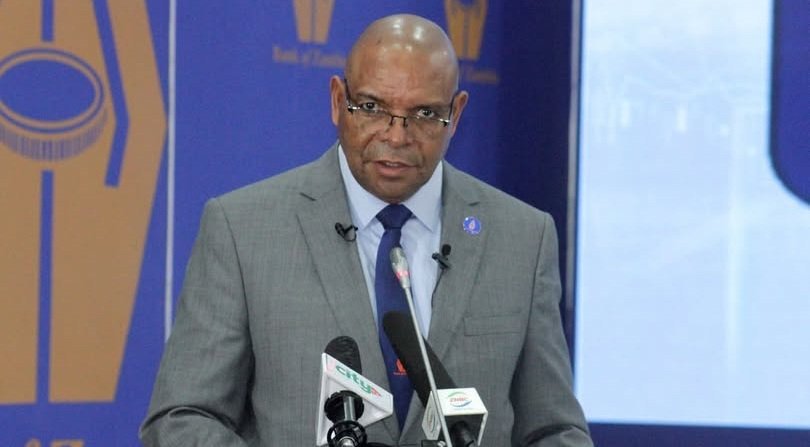
ZAMBIA’S gross international reserves increased to a historic high of US$6.5 billion in February, Bank of Zambia Governor Dr Denny Kalyalya has said.
Dr Kalyalya has also announced that the central bank has lowered its Monetary Policy Rate (MPR) for May by 25 basis points to 13.25 per cent, citing easing inflation and a stable kwacha.
Making a presentation yesterday during the First Quarter of the Monetary Policy Rate (MPR) in Lusaka yesterday, Dr Kalyalya said the rise of the international reserves was driven by foreign exchange purchases.
He said the reserves closed the first quarter at US$46.2 billion, equivalent to 5.2 months of import cover.
Dr Kalyalya attributed the decline in March to government payments of US$114.7 million for fuel procurement, US$106.5 million to support the market and US$40.1 million for debt service.
“The Q1 closing position was USD700 million higher than the December 2025 stock of USD5.5 billion, which covered 4.8 months of imports,” he said.
Dr Kalyalya said the Bank continued building its gold holdings.
He said in the first quarter of 2026, the bank bought 154.3kg of gold worth US$25.4 million.
“That brings total holdings to 3,380.78kg, with a market value of US$500.9 million, since local gold purchases began in December 2020. As of May 12, the average price of gold was US$4,688.53 per ounce,” he said.
And Dr Kalyalya has announced the bank’s decision to lower its Monetary Policy Rate (MPR) by 25 basis points to 13.25 per cent, citing easing inflation and a stable kwacha.
He said the inflation had fallen faster than expected, dropping to 7.1 per cent in March from 11.2 per cent in December 2025.
He said the trend eased further to 6.8 per cent in April.
“That puts it firmly within the Bank’s 6-8 per cent target band,” he said.
He said the disinflation was driven by base effects from maize and related products, alongside the kwacha’s sharp appreciation against the dollar.
“A favourable maize harvest in the current crop marketing season is also expected to keep food prices lower. Inflation is projected to average 6.8 per cent in 2026, down slightly from the 6.9 per cent forecast in February. For 2027, the Bank sees inflation moderating to 6.1 per cent before edging up to 6.6 per cent in Q1 2028,” he said.
Dr Kalyalya, however, warned that the protracted conflict in the Middle East posed an upside-down risk, having already pushed up global crude oil prices and domestic fuel costs.