




ECL’s final chapter reads like fiction
… From blocked hospital trips to a disputed postmortem and 10 months without burial, Edgar Lungu’s death has exposed a nation struggling to separate politics from humanity
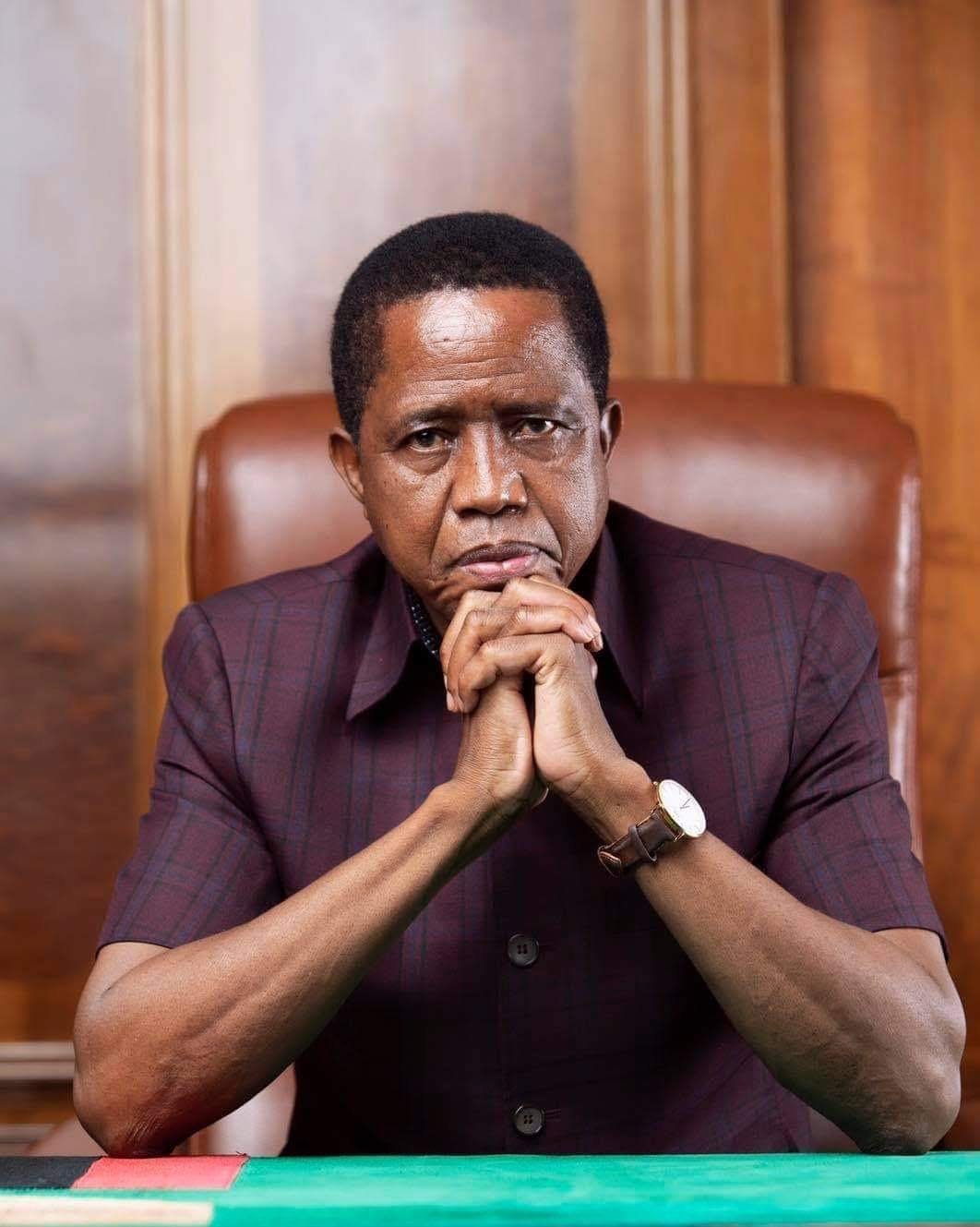
THE story of the late Zambia’s sixth president Edgar Chagwa Lungu fondly remembered as ECL, now reads like fiction- exactly as it began.
He struggled to go South Africa for medical treatment. He was reportedly pulled off a plane at one time, that when he managed to leave, he literary sneaked out.
Earlier, he constantly faced road blocks to go on morning jogs. Whenever he tried to go into some church gathering, he was prevented. Later after he announced his return to politics, he lost some privileges.
On June 5 last year, he died at a South African hospital. For the last 10 months, there have been political and legal battles to get him buried, but to no avail.
The last fiction angle is the recent one. His body was moved from a private morgue to another place where a postmortem was conducted. The family has complained that they were not consulted.
The Government of Zambia of the Republic of Zambia, it has been said, used last year’s High Court order to get the body moved out to Zambia for burial. As a caveat, former President Lungu’s aide-de-camp (ADC) was supposed to accompany the body when moving it out of the morgue and on the way to Zambia. That did not happen.
The body was not freighted to Zambia but diverted for the widely publicised post-mortem. After all this, there have been some troubling questions that need answers.
For all this long, there had been attempts by the government here to take the body but whoever went there could not be allowed unless in the presence of a member or members of the family.
In this case, how did stakeholders in South Africa allow that the body be moved and be given to the group from Zambia without informing the family?
South African systems have been known to be not only reliable but are rigidly anchored to the law. All the same, a policeman or policemen was or were tagged along in the body removal. Why was such a laissez- faire attitude taken this time?
Assuming the government did not want any family member to witness the postmortem, why wasn’t the family even just informed? After the postmortem, the reports say the body was abandoned. Why?
Just after the body was removed, there was an order from the court to return it immediately. Why was the court order ignored, the operation conducted and the body left alone?
The last report is that the Lungu family has accused the South African Police Service (SAPS), prosecutors, and the Zambian Diplomatic officials of unlawfully seizing the body, conducting a post-mortem without their consent or presence. The family has since written to authorities demanding an explanation.
Even after all the above back and forth moves, the country does not know when and whether former president Lungu will be buried at all. More depressing, here at home remarks from people including those in the ruling party and government are not inspiring. They seem to project the thought that the ECL they disliked while he was alive should be hated even in death.
This kind of behavior is contrary to humanity and who we are as Africans and Zambians as well. Our background is that as a people, we respect the dead. We are raised with cultural norms that define who we are, disrespecting dead people is not one of them.
Whether or not people like it, the handling of this issue has left Zambia in bad light. It has exposed the country to unnecessary criticism. Lungu’s case alone has discharged unjustified and equally unnecessary speculation partly because of the failure to manage the public communication over the matter.
For the last 10 months, the debate has raged on over ECL’s burial or non-burial. Zambia has been like a house or room without adults. I share the concerns and expressions of many Zambians on the collective absence of voices from some civil society groups, church organisations, traditional leaders, broadly whom have either failed to give counsel or mediate in the now publicly deriding narrative.
Granted, the former president may have differed with people most of whom may be in government, but continuing to persecute him even his remains is simply not being human. ECL must be separated from the politics to a human being he was and his remains treated as such.
There is no excuse to have kept the body without burying if there was enough investment in dialogue with the admission that people may belong to different political leanings but that does not take away the fact that they are Zambians and human beings.
The country will benefit more if for example immediate steps are taken especially in the ruling party on who should be speaking on this matter. It should be clearly stated that one is making remarks as a member of the party or an individual. Some remarks border on malice and insults. Abrasive or ribald language is just giving out so much of what kind of people some political parties have as members.
Most parties will help the situation if they deal with members who willingly are making offensive remarks over the matter. Some of the pronouncements, one would imagine could attract the application of cyber law flouting. That does not seem to be the case.
But what is important is that it is not too late to bring closure to this matter. All court cases can be withdrawn and discussions opened up.
The continued non-burial for personal or political reasons is portraying the country in negative light, unfairly so. Sadly it continues to create an impression of a country posturing as a big house devoid of adults. There is need to make amends. Then perhaps ECL’s story will never read like a fiction piece.
Hicks Sikazwe is Author of Zambia’s Fall Back Presidents, Wasted Years and Voters in Shadows. A former Deputy Editor-in-Chief of the Times of Zambia, he is currently Communications and Media Affairs Advocate based in Ndola comment; 0955/0966929611 or hppsikazwe@gmail.com.