






• About
  • Contact
  • Advertise
  • Privacy
  • e-Paper
  • Terms Of Service
Tuesday, February 17, 2026
  • Login
  • Register
The Mast Logo
No Result
View All Result
  • Home
  • e-Paper
  • Politics
  • Courts & Crime
  • Biz
  • Health
    Police in search for 15-year-old defiler

    Address mental health in police service – NGO

    Mpox cases rise to 38 in Nakonde

    Mpox cases rise to 38 in Nakonde

    ZRA Corporate Communications Manager Oliver Nzala

    ZRA seizes 66,000 litres of Zambian Breweries Ethanol

    obesity

    Obesity in South Africa: A nation at risk

  • Tech
    Zambia makes strides towards cyber security   

    Zambia makes strides towards cyber security  

    Texas becomes first state to ban DeepSeek, Rednote on government devices after fury over China-backed apps

    Texas becomes first state to ban DeepSeek, Rednote on government devices after fury over China-backed apps

    PARALYSED MAN FLIES VIRTUAL DRONE USING BRAIN IMPLANT.

  • Sports
  • World
  • Columnists
  • Opinion
  • Features
  • Home
  • e-Paper
  • Politics
  • Courts & Crime
  • Biz
  • Health
    Police in search for 15-year-old defiler

    Address mental health in police service – NGO

    Mpox cases rise to 38 in Nakonde

    Mpox cases rise to 38 in Nakonde

    ZRA Corporate Communications Manager Oliver Nzala

    ZRA seizes 66,000 litres of Zambian Breweries Ethanol

    obesity

    Obesity in South Africa: A nation at risk

  • Tech
    Zambia makes strides towards cyber security   

    Zambia makes strides towards cyber security  

    Texas becomes first state to ban DeepSeek, Rednote on government devices after fury over China-backed apps

    Texas becomes first state to ban DeepSeek, Rednote on government devices after fury over China-backed apps

    PARALYSED MAN FLIES VIRTUAL DRONE USING BRAIN IMPLANT.

  • Sports
  • World
  • Columnists
  • Opinion
  • Features
No Result
View All Result
The Mast Logo
No Result
View All Result
Home Opinion

When conservation becomes a threat to human life

Editorial Comment

January 28, 2026
in Opinion
When conservation becomes a threat to human life
Share on FacebookShare on Twitter

When conservation becomes a threat to human life

Editorial Comment

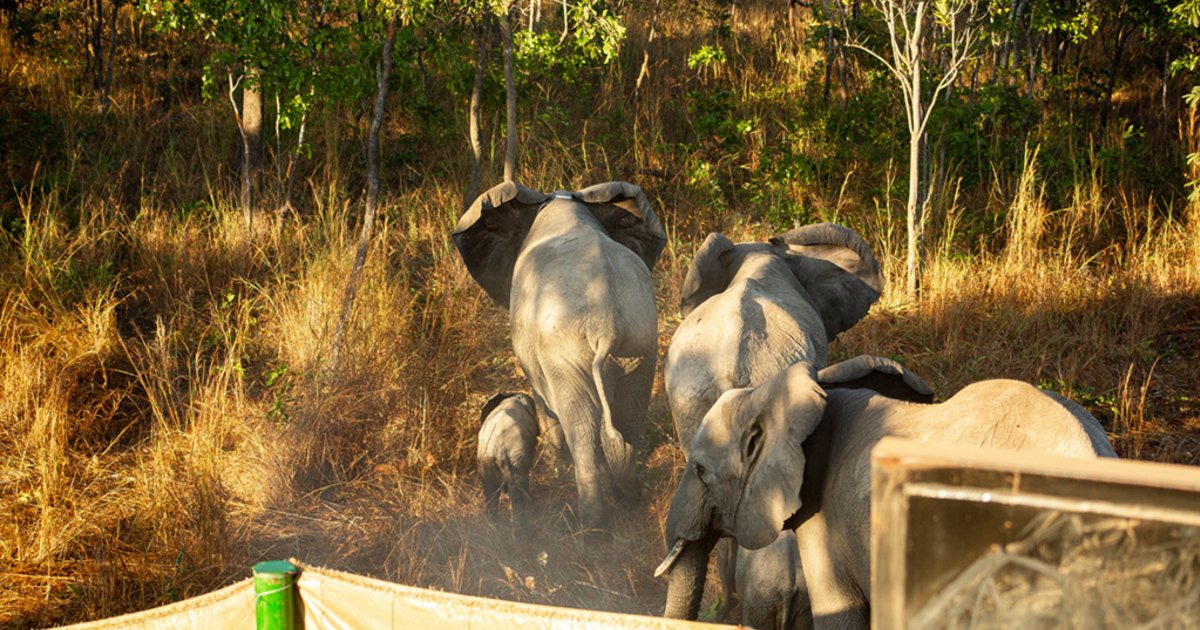
THE recent relocation of 263 elephants and over 80 buffaloes into Kasungu National Park in Malawi, which borders Zambia’s Eastern Province has exposed a troubling disparity in the delicate balance between wildlife conservation and human safety.

Communities in Lumezi and Lundazi districts are now grappling with the consequences of this large-scale translocation, as human-animal conflict escalates, crops are destroyed, property is damaged and, tragically, over 30 people have reportedly lost their lives in the affected areas.

According to Warm Heart Initiative (WHI) director Mike Labuschagne, this crisis is avoidable and underscores the urgent need for accountability from the governments of Malawi and Zambia, as well as the multinational corporation allegedly behind the relocation.

The stated goals of wildlife translocation often include population management, habitat restoration, or conservation of endangered species. However, Labuschagne’s letter to Chipata Diocese Bishop George Lungu suggests that in this instance, the project may have been driven primarily by corporate profit, with insufficient consideration for human safety and local livelihoods.

He said the company involved has an annual turnover of US$100 million, yet failed to implement even basic safety measures such as secure fencing or monitoring systems to prevent the animals from straying into human settlements. If true, this represents a profound failure in both corporate social responsibility and governmental oversight.

The consequences of such mismanagement are painfully tangible. Farmers in the affected districts are reporting destroyed fields, disrupted livelihoods and a prevalent fear of entering their own farms. Villagers live in constant anxiety, aware that encounters with displaced elephants and buffaloes can be life-threatening. These are not isolated incidents but the result of a large-scale intervention executed without adequate risk mitigation. As Labuschagne points out, the suffering caused is not some unforeseen occurrence. It was predictable and preventable.

This unfolding tragedy also highlights the complexities of transboundary wildlife management. Kasungu National Park straddles sensitive ecological and human landscapes along the Zambia-Malawi corridor, where communities have long lived alongside wildlife. Translocation on this scale demands thorough environmental assessments, risk analyses and robust community consultation, none of which, according to the WHI, were sufficiently carried out. When human safety is compromised, conservation goals themselves become unsustainable and communities may grow hostile toward wildlife, undermine protective measures, or resist future conservation initiatives.

Labuschagne’s appeal to the Catholic Church and civil society underlines the importance of moral oversight and advocacy in situations where powerful actors hold disproportionate influence. His invocation of the principle that justice delayed is justice denied resonates strongly in this context. Without timely intervention and public accountability, affected communities may continue to suffer while those responsible evade scrutiny. The call for truth, transparency, and immediate remedial action is not just a matter of justice, it is a matter of human rights and dignity.

It is imperative that authorities in both Zambia and Malawi take urgent action to mitigate human-animal conflict, including installing barriers, deploying monitoring teams, and providing emergency support to affected communities. Moreover, governments and corporations must reassess protocols for translocation projects to ensure they are ethically sound, scientifically informed, and community-centered. Conservation should not come at the expense of human life; protecting endangered species and protecting people are inseparable responsibilities.

The Kasungu crisis is a cautionary tale for Africa and the world. It demonstrates that conservation projects must balance ecological goals with the safety and rights of human populations. Wildlife belongs to all of us, but when conservation practices threaten lives, it is not only ethical but necessary for authorities and stakeholders to act decisively. The challenge is clear. There is need to develop a framework where humans and wildlife can coexist safely, transparently, and sustainably. Only then can conservation truly serve the common good.



Previous Post

Timing and weather conditions for effective weed management

Next Post

ACC arrests 2 Ministry of Health inspectors

Next Post
ACC arrests 2 Ministry of Health inspectors

ACC arrests 2 Ministry of Health inspectors

Please login to join discussion

Join Us Today

  • 334.9K
    Followers
    334.9K
    Followers
  • Click To Join
    Subscribers
    Click To Join
    Subscribers
  • 7K
    Followers
    7K
    Followers
  • Trending
  • Comments
  • Latest
The occult, the president, and the body: Understanding Zambia’s legal action against the Lungu family

The occult, the president, and the body: Understanding Zambia’s legal action against the Lungu family

July 31, 2025
Bishop Joseph Imakando

The voice that stirred a nation for change: Where is Bishop Joseph Imakando now?

April 16, 2025

The Toyota Hilux, the President, and the Archbishop: understanding the politics behind the orchestrated campaign to have Alick Banda removed from his position

January 8, 2026
Makebi Zulu

AUDIO LANDS IN SA COURT

July 22, 2025
MAINA SOKO MEDICAL CENTRE MAKES HISTORY WITH ZAMBIA’S FIRST AWAKE CRANIOTOMY: A TRIUMPH IN ADVANCED BRAIN SURGERY

MAINA SOKO MEDICAL CENTRE MAKES HISTORY WITH ZAMBIA’S FIRST AWAKE CRANIOTOMY: A TRIUMPH IN ADVANCED BRAIN SURGERY

2
The Macabre Tale of a Lusaka Woman and Her Husband’s Corpse

The Macabre Tale of a Lusaka Woman and Her Husband’s Corpse

0

President Obama Holds his Final Press Conference

0
WHAT IS MPOX?

WHAT IS MPOX?

0
Let merit, not partisan loyalty guide police recruitment

POLICE TO EMPLOY UPND CADRES

February 16, 2026
Let merit, not partisan loyalty guide police recruitment

Let merit, not partisan loyalty guide police recruitment

February 16, 2026
The state of education: A “glass half full/half empty” scenario

The road to August 13

February 16, 2026
nakacinda

Nakacinda rightly feels betrayed

February 16, 2026

Recent News

Let merit, not partisan loyalty guide police recruitment

POLICE TO EMPLOY UPND CADRES

February 16, 2026
Let merit, not partisan loyalty guide police recruitment

Let merit, not partisan loyalty guide police recruitment

February 16, 2026
The state of education: A “glass half full/half empty” scenario

The road to August 13

February 16, 2026
nakacinda

Nakacinda rightly feels betrayed

February 16, 2026
The Mast Newspaper

Bringing you breaking news, in-depth stories, and exclusive content at lightning speed.

Follow Us

  • About
  • Contact
  • Advertise
  • Privacy
  • e-Paper
  • Terms Of Service

© 2025 Published by Mast Media Limited

Welcome Back!

Login to your account below

Forgotten Password? Sign Up

Create New Account!

Fill the forms below to register

*By registering into our website, you agree to the Terms & Conditions and Privacy Policy.
All fields are required. Log In

Retrieve your password

Please enter your username or email address to reset your password.

Log In
No Result
View All Result
  • Home
  • e-Paper
  • Politics
  • Courts & Crime
  • Biz
  • Health
  • Tech
  • Sports
  • World
  • Columnists
  • Opinion
  • Features

© 2025 Published by Mast Media Limited

This website uses cookies. By continuing to use this website you are giving consent to cookies being used. Visit our Privacy and Cookie Policy.