






Poilce over-detaining Zambians for insulting – HRC
By Ludia Ngwadzai
THE Human Rights Commission (HRC) says unlawful detention by the Zambia Police Service and other law enforcement agencies remains a major source of concern in the country.
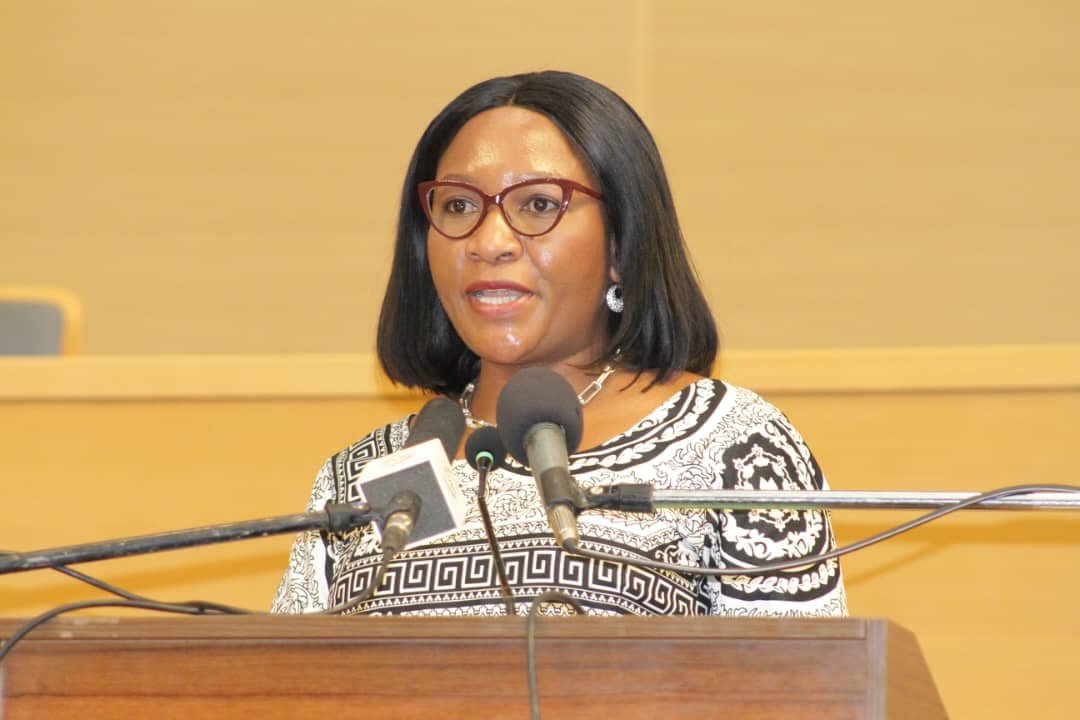
Speaking at a press briefing yesterday, HRC chairperson Dr Pamela Sambo said the commission had observed with sadness the recurring complaints of over-detention of suspects, violating the right to liberty, among other rights.
“Of particular concern are cases in which suspects remain in custody for extended periods due to delays in drug testing, often linked to the absence of adequately equipped independent laboratories,” she said.
Dr Sambo said the commission reviewed 15 in which suspects were detained in holding cells and correctional facilities in places such as Choma and Mongu whilst awaiting drug analyst reports from Lusaka.
She said three of the cases reviewed involved suspects accused of murder who were detained for up to 90, 19 and 50 days, while awaiting the pathologists’ reports.
“Even more troubling is the continued detention of suspects beyond the legally prescribed 24-hour limit before appearing in the courts of law. Despite sustained engagement with law enforcement agencies such as the Zambia Police Service and others, suspects have continued to remain in custody for prolonged periods over minor offences, such as using insulting language, petty thefts and family disputes,” she said.
She said the commission was forced to intervene and secure police bond for suspects on their own recognizance.
“…yet this is a responsibility within the powers of the Zambia Police Service. The commission hereby reiterates the need to inculcate a human rights culture in policing and law enforcement,” she said.
Dr Sambo also expressed sadness at the continued delay in presenting suspects before court, describing such detention as illegal.
“In some parts of the country, delays in bringing suspects before the courts have also been attributed to limited judicial infrastructure, including the unavailability of courtrooms. For instance, a number of suspects in Muchinga Province are transported from the various districts where there are no courts to Chinsali and remain remanded there. In such a situation, the suspects cannot reasonably be expected to meet the bail or bond requirements that are subsequently imposed,” Dr Sambo said.
She said not only do the practices constitute serious violations of fundamental human rights, but also expose the State to significant legal and financial risk.
Dr Sambo warned that such conduct exposes the State to avoidable loss of public resources, thereby underscoring the urgent need for law enforcement agencies to strictly adhere to constitutional safeguards, uphold due process and ensure accountability in the exercise of their powers.
She also said the Commission reviewed 3 cases where traditional leaders evicted their subjects from traditional land.
“Such cases tend to undermine the enjoyment of the property right and in some instances, violate the right to protection against discrimination on several grounds. These matters remain under close review and will continue to be addressed through engagement with the relevant stakeholders,” she said.
Dr Sambo said the Commission also considered 100 cases, of which 69 were on the right to secure protection of the law, 16 on personal liberty, 8 on labour and employment rights, 3 on deprivation of property including land, 2 on the right to health, 1 on freedom from cruel, inhuman and degrading treatment, and 1 on child protection.
She said only 82 out of 100 cases were successfully resolved through mediation, redress or corrective action by relevant institutions, while the remaining 18 cases were under active investigation.
Dr Sambo said the report revealed a key concern of underpayment of workers, especially domestic workers, security guards and general workers.
She said the groups were among the most vulnerable and least protected in practice.
“Statutory Instrument No. 49 of 2023, sets the minimum wage for domestic workers at K1,300 per month, effective 1 January 2024. It covers cooks, house helpers, childcare providers, gardeners and security guards. Yet some domestic workers were found earning as little as K800 per month. The minimum wage is not a recommendation. It is a legal requirement. Failure to comply with it constitutes a violation of labour rights and, by extension, human rights,” Dr. Sambo said.