



What creates political tension in a democracy, especially in an election year?
ELECTION years naturally bring heightened political activity, strong debate, and intense competition for leadership. This is a normal and healthy part of democratic life. Citizens expect to hear different ideas, different visions, and different approaches to national development.
However, political tension can begin to rise when citizens start to question whether the political playing field is fair and whether the same standards apply to all political actors.
Concerns can emerge when campaign activities appear to begin long before official campaign periods, when campaign materials and vehicles are branded early, when some political actors are able to hold large public meetings while others face restrictions, or when laws governing public assembly appear to be enforced unevenly. When citizens observe such situations, questions about fairness and consistency naturally arise.
Political tension can also grow when economic pressures are high and citizens are already struggling with the cost of living and limited opportunities. In such circumstances political debate can quickly become emotional because people are searching for leadership that can genuinely improve their lives.
At the same time, strong rhetoric, misinformation, and the politicisation of everyday issues can deepen divisions between citizens who hold different political views. When politics becomes more about defeating one another than about solving national challenges, tension within society increases.
Yet democracy should never become a contest that turns citizens against one another. The true strength of democracy lies in the ability of people with different political beliefs to compete peacefully while recognising that they share a common national future.
The language of unity will benefit Zambia. An informed citizenry that engages leaders based on policies, ideas, and solutions that can improve their lives is far more powerful than citizens being encouraged to turn against one another.
We must learn to see strength not only in our differences of political party ideology, but also in the rich diversity of our people. Zambia is a nation built from many ethnic groups, cultures, and traditions. This diversity should never be a source of division, but rather a source of strength and national pride.
Different political parties will naturally have different approaches to governance, just as our communities bring different perspectives shaped by their histories and experiences. When embraced with respect and mutual understanding, this diversity of ideas and identities can strengthen our democracy and enrich our national conversation.
What ultimately matters is that our differences, whether political or cultural, remain guided by a shared commitment to the wellbeing, stability, and progress of Zambia.
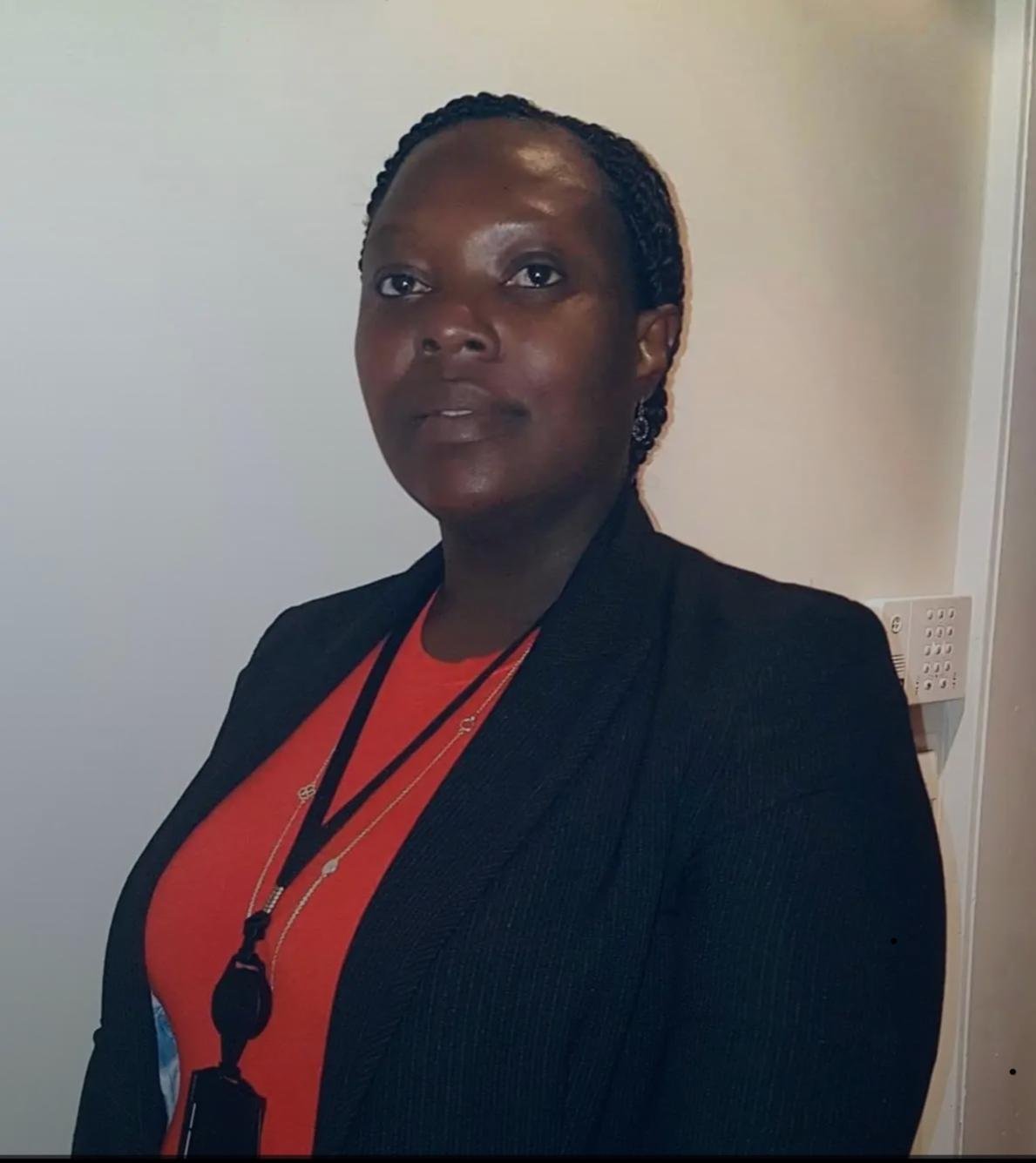
Charlotte Salivaji Næss (CSN)
The future is bright unlocking Zambia’s potential