






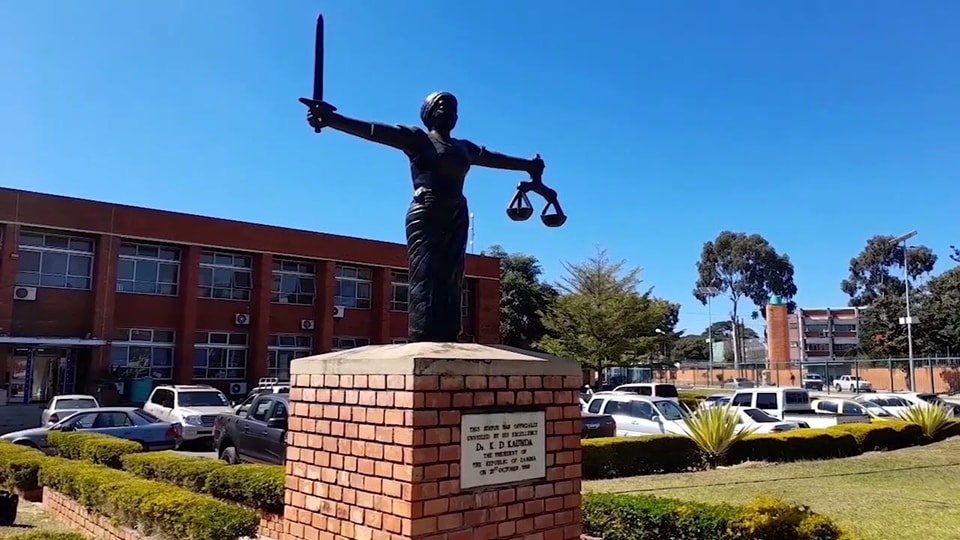
Transparency in electoral reforms can reduce suspicion
SPECULATION surrounding the proposed Electoral Process (Amendment) Bill of 2026 should be a matter of grave concern to all Zambians who value credible, transparent and inclusive elections.
While electoral law reform is not, in itself, a problem, the manner in which the current draft bill has surfaced, which is largely through social media rather than formal stakeholder engagement, is troubling and risks undermining public confidence in the entire electoral process.
Of particular concern are reported provisions in the draft bill that would require candidates to present adoption certificates signed by secretaries general of their political parties, who must themselves be cleared by the Chief Registrar of Societies. This clause, as currently framed in the circulating draft, has raised alarm bells across the political divide. Many stakeholders view it as targeted, exclusionary and potentially discriminatory against certain political parties and candidates.
The immediate and legitimate question being asked is where does this leave independent candidates? Our Constitution clearly provides for independent candidates’ participation in elections, recognising that democracy must accommodate diverse political choices beyond party structures.
Any electoral reform that appears to complicate, weaken or indirectly bar independent candidates from contesting elections strikes at the heart of constitutionalism and political pluralism.
Even for political parties, the proposed requirement raises serious red flags. Linking a candidate’s eligibility to internal party officials and the Chief Registrar of Societies opens the door to abuse, selective application and administrative bottlenecks that could be weaponised in an election year. Whether intentional or not, such provisions create fertile ground for suspicion that the law could be used to disadvantage some players while favouring others.
Equally worrying is the silence from the Electoral Commission of Zambia (ECZ) in the face of these concerns. As the constitutionally mandated body charged with managing elections, ECZ has a duty not only to be impartial, but to be seen to be impartial.
The lack of clear, timely and authoritative communication on the content and intent of the proposed Electoral Process (Amendment) Bill has allowed speculation, mistrust and political anxiety to flourish.
Electoral reforms, especially those proposed close to a general election, must be handled with extreme care. They require wide consultation, robust public education and deliberate consensus-building.
Political parties, civil society organisations, faith-based organisations, legal experts and ordinary citizens must all be given adequate opportunity to understand, interrogate and contribute to proposed changes. Anything less risks creating the impression that the rules of the game are being altered midstream.
Zambians still recall the hard lessons of disputed electoral processes across the continent, where lack of transparency and poor stakeholder engagement have led to prolonged disputes, instability and loss of public trust in democratic institutions. Zambia must not walk this path. The August 13, 2026 general elections are too important to be clouded by avoidable controversy.
The ECZ must therefore act with urgency. It must clarify whether the draft bill circulating on social media is authentic, explain the rationale behind any proposed changes and embark on nationwide consultations and sensitisation programmes.
Silence is not neutrality in the current environment, it is breeding suspicion that the Commission may be tilting the electoral field in favour of the ruling party.
The credibility of the 2026 general elections will depend not only on how votes are cast and counted, but on whether all stakeholders believe the legal framework governing those elections is fair, inclusive and transparent.
Electoral laws should unite the nation around shared democratic values, not divide it through secrecy and perceived manipulation.
We, therefore, urge ECZ and all relevant authorities to open up the reform process, listen to the concerns being raised and ensure that any amendments to the Electoral Process Act strengthen, rather than weaken, Zambia’s democracy.
Anything less will inevitably place the credibility of this year’s general elections under a cloud, a price the nation cannot afford to pay.