






Whose report do we believe? Fake letters, real fears, and the battle for Zambia’s electoral truth

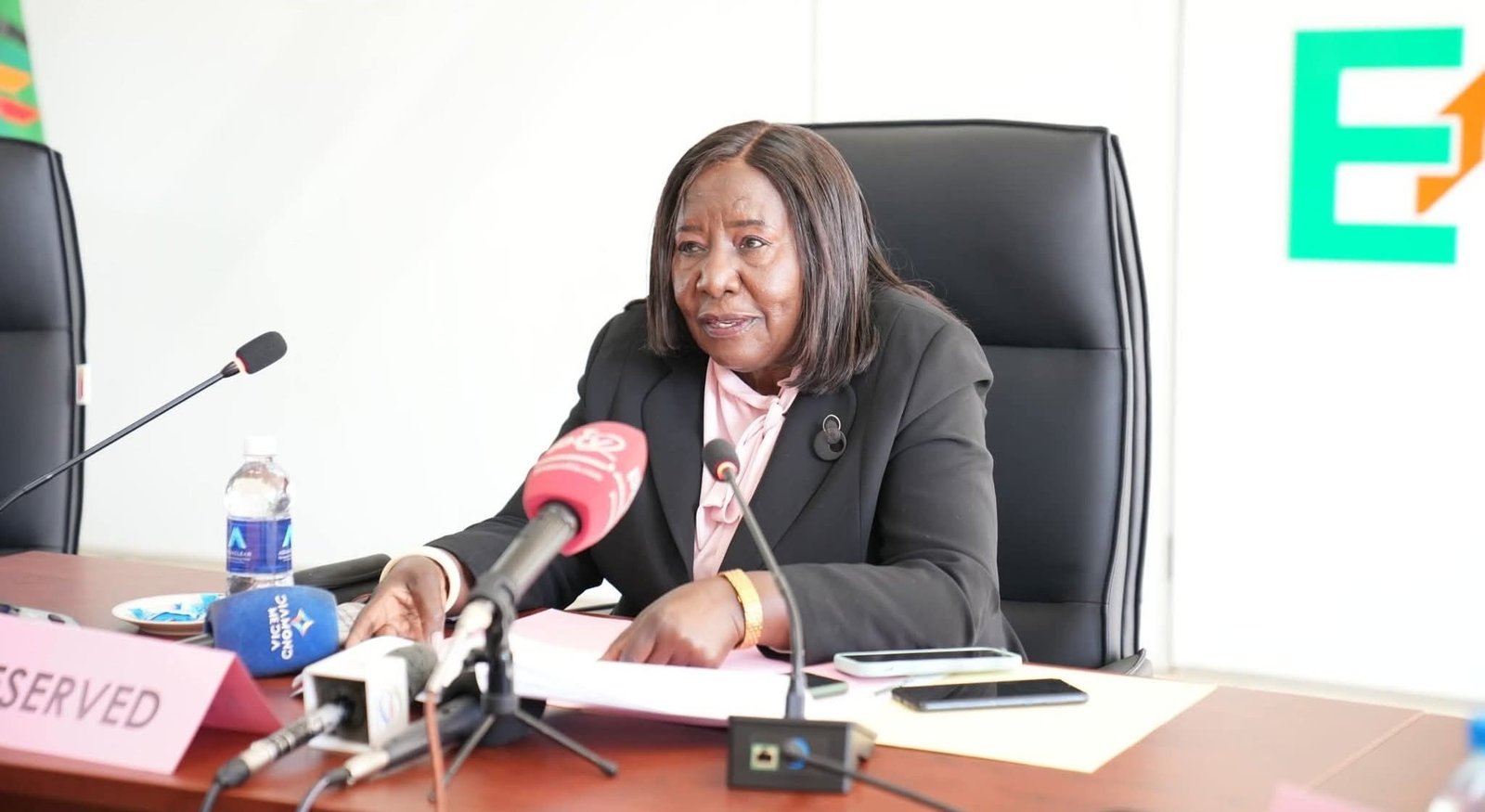
MADAM Mwangala Zaloumis, while the Electoral Commission of Zambia (ECZ) was right to condemn the forged letter purporting to introduce Registrar certification as a nomination requirement, do you recognise that its persistence reflects a deeper national anxiety about how elections will be governed in 2026?
Is it not true that rumours survive only where clarity is absent, and that the endurance of this particular narrative suggests widespread uncertainty about whether nomination rules will be anchored strictly in law or expanded through administrative interpretation?
Do you accept that the public concern is not about the authenticity of one document, but about the possibility that informal practices, circulars, or last-minute guidance could reshape eligibility thresholds outside explicit constitutional authority?
Can you categorically affirm, without caveat or future qualification, that ECZ is neither contemplating nor informally tolerating any framework that would subordinate nomination eligibility to determinations by the Registrar of Societies beyond what is expressly authorised by the Constitution and the Electoral Act?
Given that administrative convenience, harmonisation, or conflict avoidance cannot override legality, would ECZ reject even a well-intentioned policy shortcut if it lacks a clear statutory anchor and risks altering constitutionally designed institutional boundaries?
Since the Registrar of Societies operates under the Executive while ECZ is constitutionally independent, how do you intend to prevent even the perception that nomination outcomes could hinge on executive-controlled processes, thereby transferring electoral power by proxy?
Are you mindful that independence is not only structural but perceptual, and that blurred institutional lines—however temporary—can undermine trust long before polling day, rendering elections suspect regardless of procedural orderliness?
When party or alliance disputes remain unresolved at nomination stage, what principled framework will ECZ apply to avoid becoming an arbiter of political legitimacy, a role the Constitution deliberately withholds from electoral administrators?
Can ECZ assure the public that unresolved internal disputes will not be resolved through exclusionary technicalities that effectively decide political contests before voters are heard?
Across the region, particularly in Tanzania, opposition parties were omitted from ballots for minor errors, shifting compliance rules, and administrative interpretations that critics argue were designed to suffocate competition; can you assure Zambians that ECZ is not contemplating a similar compliance-heavy formula?
Is ECZ considering a model where procedural perfection becomes a substitute for democratic substance, allowing technical disqualifications to do what open political competition cannot?
When senior government officials publicly announce “new rules” or “new measures,” do you accept that timing and context inevitably heighten suspicion, and that ECZ has a duty to proactively demarcate what is law, what is policy, and what is mere political rhetoric?
Why has ECZ not issued a comprehensive, forward-looking clarification outlining the full nomination framework for 2026, rather than reacting piecemeal to forged documents and circulating rumours?
Will ECZ commit to publishing all nomination criteria well in advance, in clear and accessible language, and to resisting last-minute directives, circulars, or interpretive shifts that could ambush candidates and alliances after substantial investments of time, resources, and public mobilisation?
Has ECZ held, or does it intend to hold, consultations with the Registrar of Societies regarding party or alliance status ahead of 2026, and if so, will the legal basis, scope, and records of such engagements be disclosed publicly to avoid suspicion?
Do you agree that secrecy, even when benign, is corrosive in electoral governance, and that transparency is not a courtesy but a constitutional obligation in a competitive democracy?
How will ECZ ensure that its internal decision-making processes are insulated from political pressure, informal lobbying, or executive expectations, especially during the high-stakes nomination period?
Do you accept that procedural neatness cannot compensate for substantive exclusion, and that elections managed through compliance traps risk producing orderly ballots that nonetheless hollow out democratic choice?
Is ECZ prepared to state publicly that elections are not merely administrative exercises but constitutional moments, where restraint, predictability, and fidelity to first principles matter more than managerial efficiency?
Finally, Madam Chairperson, will ECZ state on record that it rejects any Tanzanian-style narrowing of political space, anchors every decision strictly in the letter and spirit of Zambia’s Constitution, and understands that silence today breeds mistrust tomorrow—can you give that assurance?
Fake letters are illegal, and ECZ was right to condemn them. But unanswered fears are more dangerous than forged documents. In elections, legitimacy is fragile, and even the appearance of manipulation—if left unaddressed—can do lasting damage.