






UTH chalks successful hearing restoration
By Charles Musonda
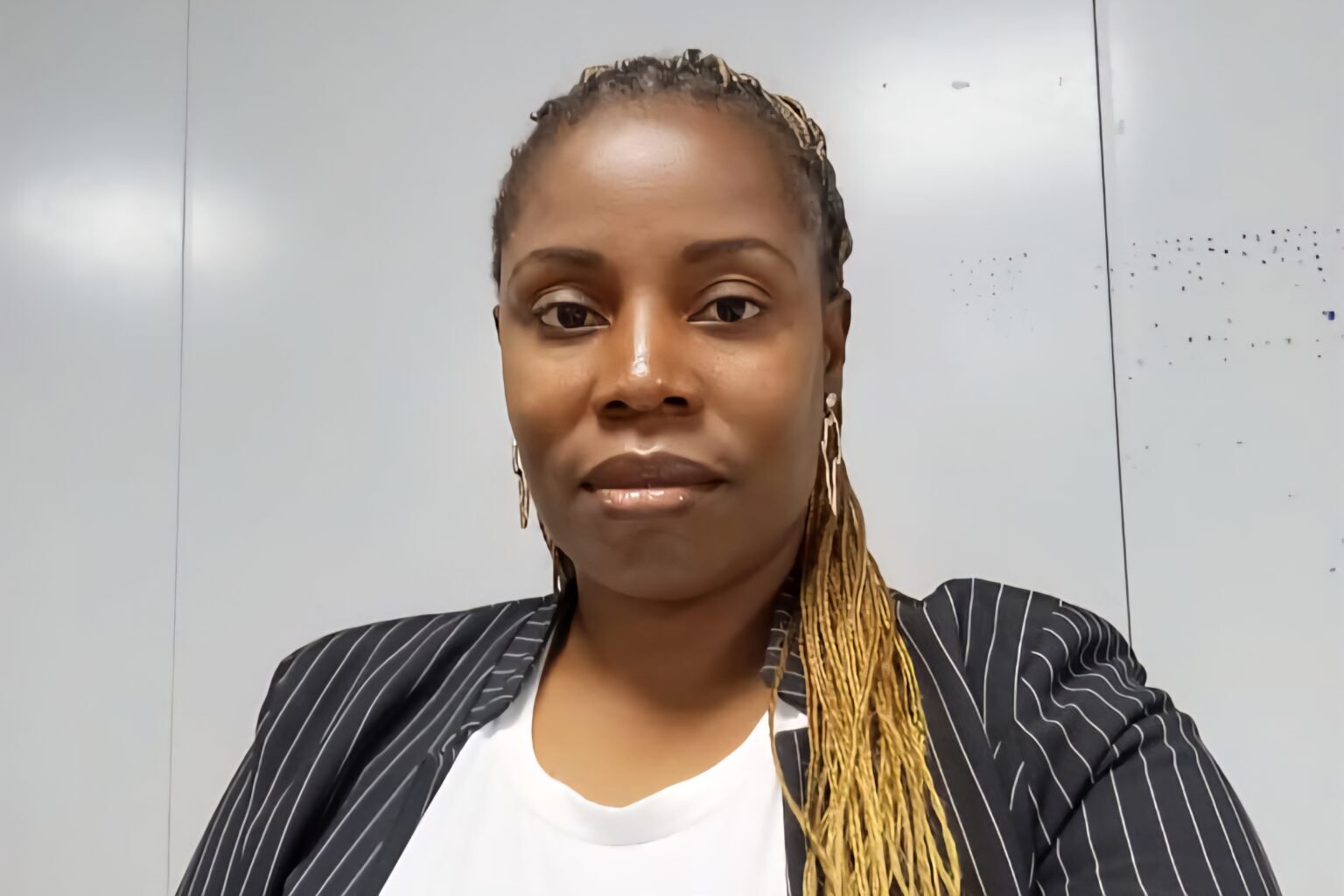
A 20-YEAR-OLD woman with profound hearing loss has taken an important step towards hearing rehabilitation following the successful activation of a cochlear implant at the University Teaching Hospital (UTH) Adult Hospital.
UTH Adult Hospital public relations officer Mwiza Mwiya said in a statement the activation, conducted on Monday, came just over a month after she underwent the hospital’s first-ever cochlear implant surgery on October 13, marking a significant milestone in the advancement of specialised hearing care in Zambia.
“The cochlear implant is designed to help individuals with severe problem to profound hearing loss access sound through advanced electronic technology, potentially improving their ability to communicate and interact with the world around them.
“The procedure was successfully done by UTH Adult Hospital Ear, Nose and Throat specialists together with a visiting medical team from the Czech Republic under the Czech Government’s MEDEVAC programme,” Mwiya said.
She said unlike conventional hearing aids, which amplify sound, cochlear implants work by bypassing damaged parts of the inner ear and delivering electrical signals directly to the auditory nerve, providing an alternative pathway for sound perception.
Mwiya said following the activation, the patient now begins the next phase of her hearing rehabilitation, which will involve adjustments to the device and auditory training to help her brain interpret the sounds received through the implant.
“The development highlights the importance of expanding access to advanced medical interventions that offer new possibilities for individuals living with severe hearing impairment.
For UTH Adult Hospital, the successful surgery and subsequent activation represent progress in strengthening local capacity to deliver specialised healthcare through advanced medical technology, clinical expertise and international partnerships,” she said.
Mwiya said the milestone reinforces the hospital’s commitment to improving patient outcomes, expanding access to specialised services and enhancing the quality of life of people living with complex health conditions.