




Wounded leadership: The wounds of power and the pain of defeat
By Dr Lawrence Mwelwa
THERE is an African proverb that says, “When two elephants fight, it is the grass that suffers.” But there is another dimension to this wisdom: a wounded elephant can become unpredictable, not necessarily because it has lost its strength, but because its pain begins to influence how it uses that strength.
This is a useful way to understand wounded leadership and the emotional wounds that follow political defeat.
In her 2014 TEDx talk, former Namibian First Lady Monica Geingos reflected on the dangers of wounded leadership and the corrosive effects of power when personal trauma and character flaws remain unchecked. Her reflections raise an important question: what happens when people entrusted with authority allow their unresolved wounds to shape their decisions and treatment of others?
Power does not automatically make a person wiser, more compassionate or more secure. Sometimes, it simply gives existing weaknesses a larger platform and more people upon whom they can be exercised.
A person who has experienced humiliation may become intolerant of criticism. Someone who fears losing control may interpret disagreement as rebellion. A leader who feels perpetually disrespected may demand unquestioning loyalty.
The tragedy is that the wounds of one individual can become the burden of an entire nation.
Yet wounded leadership is not confined to those who occupy public office. It can also emerge among those who lose power, lose elections or feel rejected by the people they hoped to lead.
The wounds of losing an election can reveal character just as power can expose it
Elections are deeply personal experiences for many candidates. Behind the speeches and political slogans are years of sacrifice, financial investments, relationships, family expectations and personal ambition. Defeat can leave a candidate questioning their worth, judgment and future.
Some reflect, recover and rebuild. Others become consumed by resentment, unable to imagine a meaningful life beyond the office they sought.
This is where wounded leadership and electoral defeat intersect. When a leader cannot separate personal identity from political position, defeat may feel less like losing an opportunity and more like losing everything. Disappointment can become bitterness, and bitterness can become a permanent political grievance.
But we must distinguish between emotional pain and wrongdoing. Questioning an election, demanding transparency or pursuing lawful remedies is not evidence of wounded character. Legitimate concerns deserve fair and lawful consideration. The issue is whether political disagreements can be pursued without destroying relationships, undermining institutions or reducing opponents to enemies.
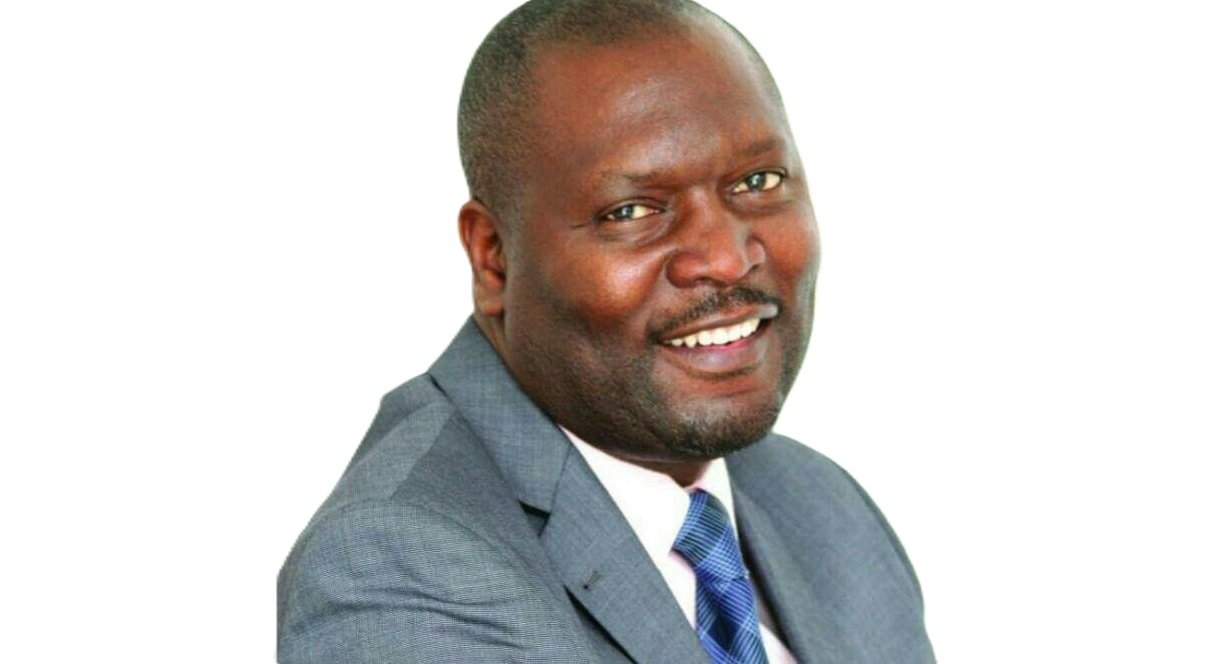
Consider Brian Mundubile and other political figures whose futures have been shaped by the recent electoral contest. This article is not a verdict on the disputed election, nor does it determine who won or lost. It is a reflection on the human beings behind political competition.
Mundubile, like other politicians, has a family, personal responsibilities, economic interests and a future beyond politics. The same applies to other candidates and their supporters. They have lives to rebuild, businesses to pursue, families to care for and contributions to make outside public office.
No election should consume a person’s entire identity. Political disappointment should not make a family pay indefinitely for a contest in which one of its members participated.
An African proverb reminds us that “However long the night, the dawn will break.” Defeat may prolong the night of disappointment, but it must not persuade anyone that the sun will never rise again.
There is life after Parliament, life after party leadership, life after ministerial office and life after an unsuccessful campaign. There is business to build, work to do, children to raise, knowledge to share and communities to serve.
The deeper danger arises when politics becomes the only perceived route to survival, dignity and economic security.
When employment, business opportunities, public contracts and access to resources depend heavily on political connections, elections become more than contests for public office. They become struggles over who prospers and who is left behind.
Winning can then produce arrogance, while losing can produce desperation. Those in power may behave as though the country belongs to them, while those outside power may believe their only hope lies in regaining control.
Both conditions undermine democracy.
A nation becomes vulnerable when too many people believe they have nothing left to lose
This does not mean that poor or unemployed people are inherently dangerous. The problem is not poverty itself, but the loss of hope. When citizens believe that honest work cannot improve their circumstances and that opportunity depends on political loyalty, frustration can deepen into alienation.
A country must never allow political office to become the dividing line between having a future and having none.
Our institutions must therefore serve as guardrails against the worst versions of ourselves. Constitutions, independent courts, transparent electoral processes, a free press and internal party democracy help prevent personal ambitions and grievances from overwhelming the collective interest.
These safeguards protect citizens from abuses of power, but they also protect leaders from their own excesses.
We must also build an economy in which people can prosper without holding political office. A former politician should be able to return to business or professional work without fear of political exclusion. A young person should be able to establish an enterprise without proving partisan loyalty. Families should not have to worry that an electoral outcome will determine their economic survival.
When citizens have independent sources of dignity and livelihood, political competition becomes less existential.
There is also a personal responsibility that no constitution can fully discharge. Leaders must learn to examine their own wounds. Those who cannot tolerate criticism must ask why disagreement feels like disrespect. Those who cannot accept defeat must consider whether political office has become too closely connected to their identity. Those who humiliate opponents must ask whether their conduct reflects strength or wounded pride.
Self-examination is not weakness. It is an essential discipline of leadership.
African wisdom teaches us that a tree cannot stand without roots. Leadership also needs roots: humility, self-awareness, restraint, empathy and accountability. Without them, power can feed the ego while starving the conscience.
We must therefore ask not only whether our leaders are educated, articulate or experienced, but whether they can accept correction, manage disappointment and recognise the humanity of those who oppose them.
A mature political culture must allow people to lose elections without losing their dignity and leave office without losing their livelihoods. It must also allow those who win to govern without treating victory as permission to humiliate their opponents.
To those who win, remember that power is temporary. To those who lose, remember that defeat does not cancel your future. To citizens, remember that the politician you support is not a saviour, and the politician you oppose is not an enemy to be destroyed.
None of us is entirely free from disappointment, insecurity or the desire for recognition. The question is whether we allow these experiences to govern us or learn to govern ourselves despite them.
The real test of leadership is not merely how we behave when we possess power, but how we respond when power is challenged, recognition is withdrawn and the future refuses to follow our plans.
Let us build a Zambia where constitutionalism restrains power, lawful institutions resolve political disputes, economic opportunity extends beyond political connections, and defeat does not destroy livelihoods.
The wounded elephant must learn to manage its pain, and the forest must be protected from the consequences. Likewise, our leaders must confront their wounds, while our institutions ensure that the wounds of individuals do not become the wounds of an entire nation.
Because when leaders practise self-restraint, institutions command respect and citizens retain hope, democracy becomes more than a contest for power. It becomes a framework within which people can live, disagree, recover and flourish.