






Unsafe abortion deaths plunge to 3.78%-ZAGO
By Ludia Ngwadzai
THE Zambia Association of Gynaecologists and Obstetricians (ZAGO) says maternal deaths due to unsafe abortion have reduced to 3.78 percent from 30 percent a few years ago.
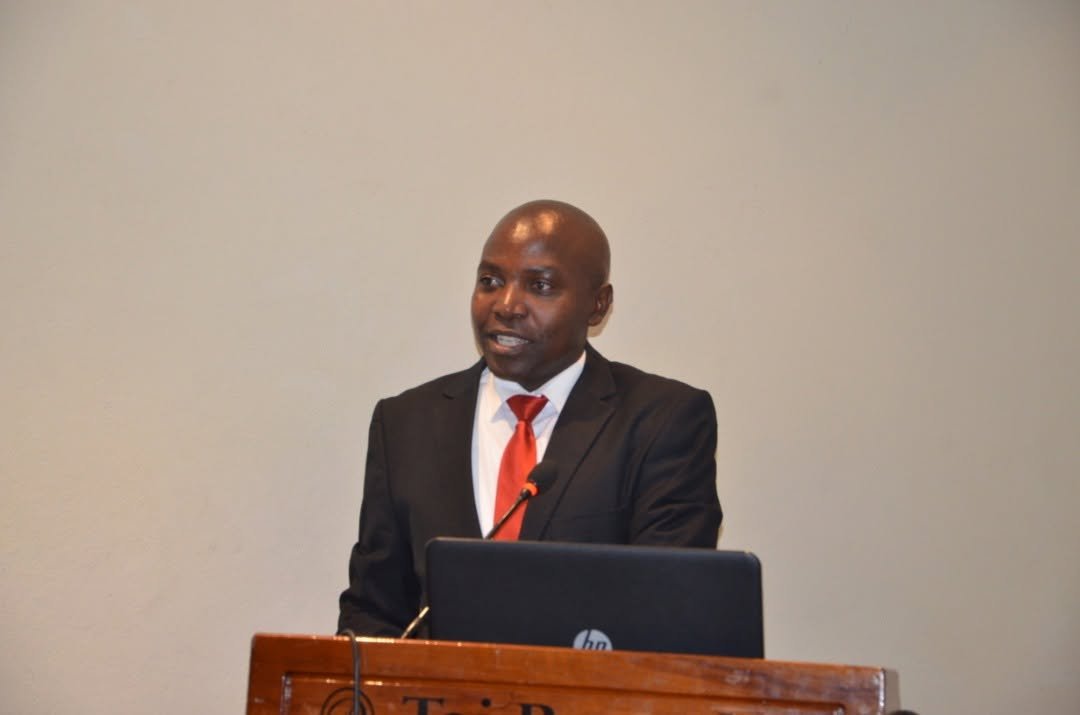
ZAGO president Dr Samson Chisele said this on Friday during a media conference on sexual and reproductive health held in Chilanga ahead of International Safe Abortion Day, commemorated globally on September 28.
This year’s theme is : Solidarity in action: Advance reproductive justice and urgently strengthen health systems for Comprehensive Abortion Care (CAC).
Dr Chisele said the reduction follows an assessment conducted in June this year at Kabwe Central and Ndola Teaching Hospitals, supported by the UNFPA Country Office and the Ministry of Health.
“The data shows that maternal deaths due to unsafe abortion have reduced to about 3.78 per cent, a reduction from around 30 per cent a few years ago. This shows that the work that has been done by various stakeholders is bearing fruit,” Dr Chisele said.
He said Zambia had made remarkable progress and noted that safe CAC in the country was legal under specific frameworks and structurally integrated into the healthcare system.
“ZAGO updated the National Standards and Guidelines on abortion care to give health professionals a clear legal and clinical framework, while campaigns like SafeChoices and Let’s Speak Up have expanded public awareness among young people,” he said.
Dr Chisele said no woman or adolescent girl in Zambia should die due to complications from unsafe abortions.
“Let me be perfectly clear: no woman or adolescent girl in Zambia should ever have to die or suffer severe injuries due to the complications of unsafe abortions. Unsafe abortion remains an entirely preventable cause of maternal injury and death,” he said.
Dr Chisele warned that policies on paper meant little if a woman in a rural area could not access a trained provider, equipment or life-saving medication.
Dr Chisele called for expanded clinical training, elimination of stockouts of essential reproductive medicines, and equipping primary healthcare facilities to deliver CAC.
He said stigma, misconceptions and resistance within communities and even within the medical fraternity remained invisible barriers.
Dr Chisele urged the media to amplify lived experiences and help women and girls, especially those marginalised by poverty, disability, stigma and geography, to access accurate information.
“ZAGO and its partners stand ready to work hand-in-hand with the media in saving lives by ensuring that no woman dies while giving life,” he said.
Zambia Medical Association (ZMA) president Dr Masiku Phiri said Comprehensive Sexuality Education (CSE) should be understood as prevention and public health, not reduced to sexual intercourse.
Dr Phiri said CSE was a structured, age-appropriate and culturally relevant approach that provides scientifically accurate information about bodies, health, relationships and personal safety.
“Importantly, CSE is not simply about sexual intercourse. It encompasses puberty and physical development, personal hygiene and menstrual health, relationships, communication, respect, decision-making, consent and bodily autonomy, prevention of abuse, HIV and other sexually transmitted infections, pregnancy, responsible behaviour, and knowing when and where to seek help,” Dr Phiri said.
He said adolescence was a critical period of physical, emotional, psychological and social development, with decisions made during the period having consequences into adulthood.
Dr Phiri said Zambia’s Adolescent Health Strategic Plan and National Health Strategic Plan recognised adolescent health as a priority, highlighting challenges such as teenage pregnancy, HIV, sexual and gender-based violence, limited access to adolescent-friendly services, misinformation and socio-cultural barriers.
He warned that without accurate information, young people faced unintended pregnancy, STIs including HIV, unsafe abortion, stigma, psychological distress and disruption of education.
Dr Phiri called for continued provision of age-appropriate and scientifically accurate health education, stronger collaboration between Ministries of Health and Education, healthcare providers, teachers, parents, traditional leaders and faith-based organisations.
“…continuous training for teachers and health workers, strengthened adolescent and youth-friendly services with clear referral pathways, attention to out-of-school adolescents and vulnerable groups including adolescents with disabilities, and evidence-based public communication to counter misinformation on social media,” he said.