




The ballot must never be for sale
AS ZAMBIA heads towards the August 13 general elections, the Catholic Church has delivered a timely and courageous reminder that democracy is not merely about casting a vote but about exercising a moral responsibility. Its appeal for citizens to reject tribal politics, campaign slogans and monetary inducements speaks directly to the heart of the challenges confronting the country’s electoral process.
Every election presents an opportunity for citizens to determine the direction of their nation. That opportunity is squandered when votes are traded for short-term material gain or when political choices are reduced to tribal identity rather than competence, integrity and vision. A vote is one of the most powerful instruments a citizen possesses, and once cast, its consequences extend far beyond election day.
The Catholic Church’s message that voters should examine a candidate’s character over many years rather than during a carefully managed campaign is both practical and wise. Election campaigns often produce polished speeches, carefully choreographed rallies and generous promises. Yet history has repeatedly shown that leadership is better judged by past actions than by campaign rhetoric.
Integrity cannot suddenly emerge during an election season. Neither can compassion, honesty, accountability or respect for democratic values. These qualities are demonstrated consistently over time through public service, personal conduct and a willingness to place national interests above personal ambition.
Equally important is the Church’s warning against tribal and regional politics. Zambia has for decades enjoyed a reputation as one of Africa’s most peaceful and united nations. That unity should never be sacrificed on the altar of political expediency. Politicians who seek to divide citizens along ethnic or regional lines are not strengthening democracy; they are weakening the very foundation upon which the nation has been built.
The country’s motto ‘One Zambia, One Nation’ remains as relevant today as it was at independence. Elections should be contests of ideas, policies and leadership qualities and not competitions between tribes or regions.
The Church is also right to warn against vote buying. Across many election cycles, voters have been offered money, food, clothing and other gifts in exchange for political support. While poverty makes many citizens vulnerable to such inducements, accepting them ultimately comes at a far greater cost. A vote exchanged for a small amount of cash can result in years of poor governance, weak public services and unfulfilled promises.
Citizens must remember that politicians who buy votes often view public office as an investment to be recovered rather than a trust to be honoured. Such politics fuels corruption and weakens accountability because elected leaders feel indebted not to the electorate but to the financial resources that secured their victory.
The Church’s call to consider how candidates have treated the poor, respected human dignity, defended freedom of worship and protected constitutional rights is equally significant. Leadership is not measured solely by economic statistics or campaign promises. It is reflected in how leaders treat the weakest members of society, how they uphold justice and whether they protect the freedoms guaranteed to every citizen. Their track record on this score must be scrutinised closely.
At the same time, voters must recognise that no candidate will be perfect. Democracy is about making informed choices between alternatives. The task is therefore to select leaders whose values, competence and commitment to national development inspire the greatest confidence.
The Catholic Church has over many decades consistently spoken on matters affecting governance, justice, accountability and human rights. Whether its views are popular or unpopular at any given moment, its interventions have contributed meaningfully to national debate. That role deserves respect in any healthy democracy where different institutions are free to speak without intimidation.
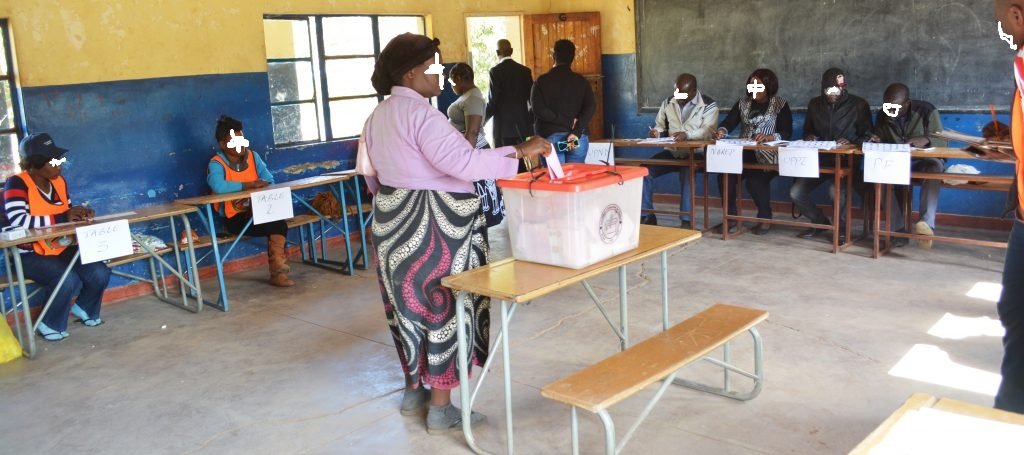
In the end, Zambia’s future will not be determined by campaign songs, colourful rallies or political slogans. It will be shaped by the collective judgment of millions of voters inside the polling booths. That moment is private, sacred and free from outside influence.
On August 13, every Zambian should remember that the ballot is not a commodity for sale, nor a reward for tribal loyalty. It is a solemn trust placed in every citizen to choose leaders who will unite the nation, protect its democracy and serve the common good. History will judge not only those who seek office, but also those who decide who governs.