




Mnangagwa’s long walk to 2037
…How Zimbabwe’s constitutional changes could entrench one-man rule and deepen Africa’s democratic retreat
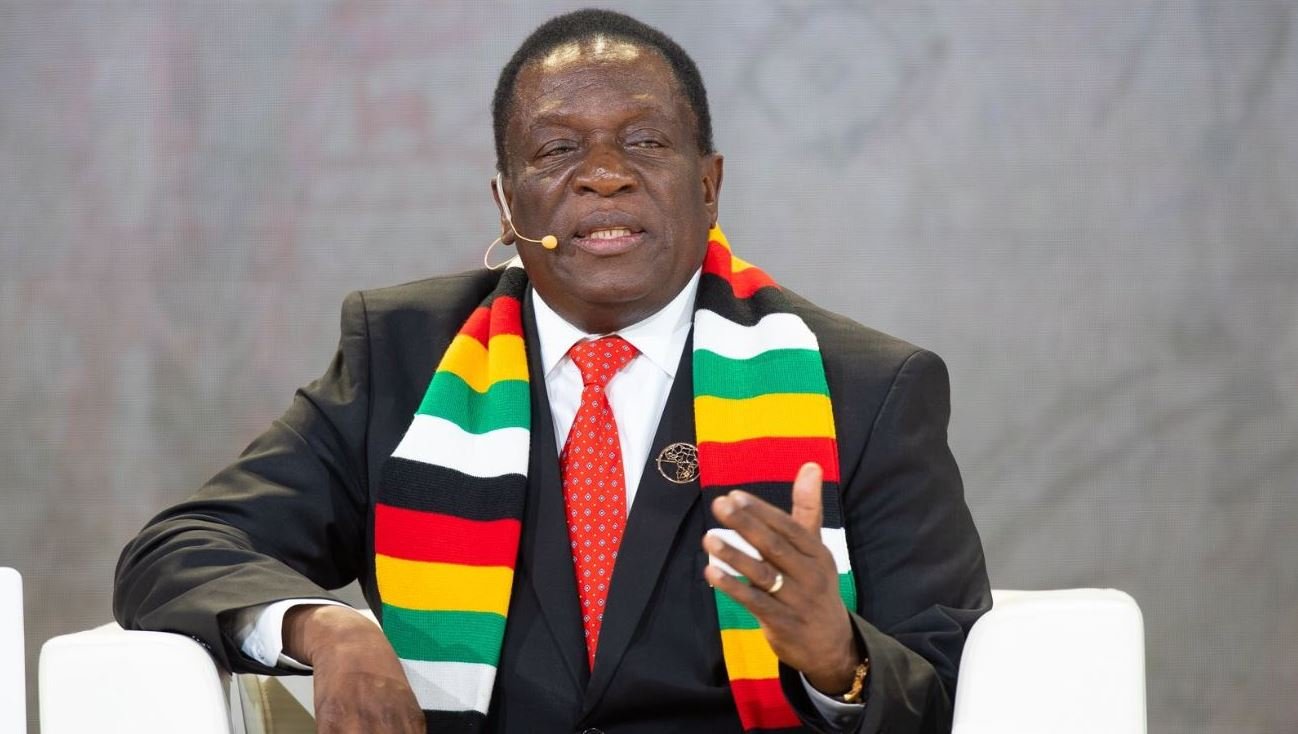
AMONG the interesting stories in the last one week comes from neighbourring Zimbabwe formerly Southern Rhodesia, where President Emmerson Mnangagwa has pushed in constitutional amendments to increase his stay in power.
Comrade Mnangagwa a longtime ally of late former president Robert Mugabe, signed a new law to change the constitution and extend the presidential term from five to seven years.
That means Zimbabwe will not hold elections until 2030. The other change following this legislation, the president in Zimbabwe will no longer be elected by the people but by Parliament.
Like expected, there has not been a single voice of dissent from African leaders except from EEF leader Julius Malema in South Africa,
Malema came out in the open to condemn the move by the 83-year-old veteran politician, warning that Mnangagwa’s party, ZANU-PF had prioritised political survival than address the country’s depressing economic crisis.
Mnangagwa took over from Mugabe in 2017 after the army removed the then 93-year-old Mugabe in what was termed as a soft coup. Mnangagwa who was Vice-President to Mugabe had initially fled to South Africa but was brought back by the military to go and take over power.
Mugabe was in power since 1980 when the country attained independence and by the time the army was removing him there was no indication that he would leave office.
The new changes mean that Mnangagwa will go up to 2030 as leader and by then, he will be 87. Should ZANU-PF continue with the grip on power it had since 1980, Mnangagwa is likely to be chosen by members of parliament to push him to 2037 by which time he would be 94-years- old.
The constitutional changes have not come as a surprise to the people of Zimbabwe. Though Mnangagwa had at one time openly declared that he would only serve two five-year terms, but rumours persisted of the impending constitutional changes that would make him hang on to power longer.
Despite persistent denials, a branch of the ZANU-PF set the ball rolling when it proposed that the presidential term limit be revised. That became an easy passage, today the law has been passed for Mnangagwa to continue.
Should he go up to 2037, he will have joined the list of Africa’s longest serving leaders now commonly referred to as dictators.
They include Teodoro Obiang Nguema – Equatorial Guinea who has been in power since 1979, Denis Sassou Nguesso who has also ruled the republic of the Congo since 1979, Paul Biya of Cameroun who has been leader since 1982, Yoweri Museveni of Uganda who has been president since 1986, Isaias Afwerki of Eritrea and King Mswati who has been leader of Eswatini, formerly Swaziland since 1986.
Mnangagwa who shadowed Mugabe for a longtime was also long suspected to be heir apparent. Known as the crocodile during the freedom struggle, he fled to Zambia in the 1960s, received military training in China and Egypt, according to Wikipedia, and then later joined the liberation struggle against white minority-rule. He went to prison for 10 years following a sabotage operation.
He earned the nickname crocodile because of the hardline he took during the struggle and after which included allegations of atrocities in the Gukurahundi massacres in Matabeleland.
After Mugabe was forced out by the military whom the soldiers asked to resign Mnagangwa took over and the following year he was elected. Since coming to power, he has been credited for the infrastructure programme embarked on in the post Mugabe era.
His decision to extend the presidential term has been frayed by democracy and human rights activists as dictatorial and a quest for him not only to overstay in power but to consolidate the party, ZANU, as the so political organisation.
Mnangagwa and his party have defended the move insisting it was arrived at after consultations. The move however, is a dark period for Africa as many post- independence Africa are either advocating extension of term limits or changing the mode of electing the president from the people to parliament. If history is to provide a lesson, Mnangagwa may not be the last. Others in the continent are likely to follow.
Hicks Sikazwe is author of Zambia’s Fall-Back Presidents, Wasted Years, and Voters in Shadows. A former Deputy Editor-in -Chief of the Times of Zambia, he is currently Communications and Media Affairs Advocate based in Ndola comments 0955/0966929611 or hpsikazwe@gmail.com