




Respect HRW findings, ActionAid tells govt
By Charles Musonda
ACTIONAID Zambia has called on the United Party for National Development (UPND) administration to take seriously the findings contained in the Human Rights Watch (HRW) 2025 Report rather than dismissing its conclusions outright.
The civil society organisation has appealed to President Hakainde Hichilema and his government to honour their obligations under international human rights instruments to which Zambia is a signatory.
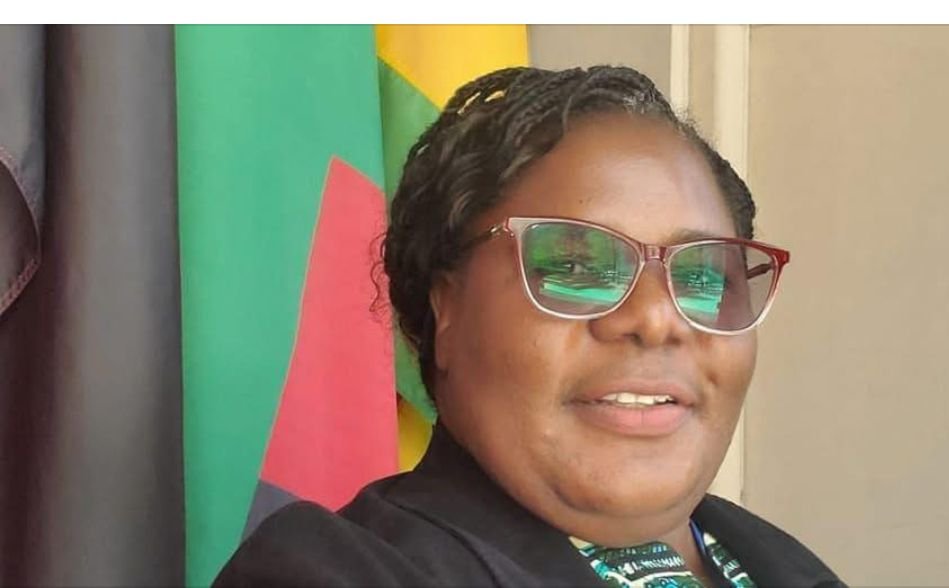
ActionAid Zambia Country Director Faidess Tembatemba told The Mast that it was in the national interest for government to genuinely reflect on reports of this nature, especially that it had committed to protecting human rights.
Tembatemba noted the existence of the Human Rights Commission (HRC), whose commissioners were appointed by the President, was meant to provide independent oversight on human rights matters in country.
“If government hears or receives a report from an independent observer who is providing checks and balances, I think it’s wrong for government to rubbish the report, this is where they make mistakes.
“This same government we are talking about, which cried foul in the last regime over the same human rights abuses and it is because the last regime also would always rubbish reports that were coming from observers and other independent missions,” Tembatemba said.
She said President Hichilema, having personally experienced arbitrary arrest and mistreatment in the past, was better placed to appreciate the gravity of human rights violations.
“We don’t expect this government to do what they are doing right now. For me we are supposed to see a different story and also a commitment to do what they told the Zambian people and this is why you see that even when we are providing checks and balances, we always refer to their sentiments then because they walked through this path and they understand and they promised to ensure this never happens again,” she said.
Tembatemba said if the government disagreed with the observations of independent monitors, the more dignified response would be silence rather than the kind of public rebuke that Information Minister and Chief Government Spokesperson Cornelius Mweetwa directed at the HRW report.
She warned that such conduct risks damaging the government’s standing both locally and internationally.
Tembatemba reminded the government that Zambia regularly appeared before international forums where human rights compliance was scrutinised, which made it counterproductive to publicly discredit the very mechanisms that inform those processes.
She emphasised that international observers formed their assessments based on evidence gathered independently, and their conclusions deserved measured engagement rather than outright rejection.
Tembatemba urged government to move beyond rhetoric and put concrete measures in place to ensure full compliance with its human rights commitments.
“So it is not right for the chief government spokesperson to come out in the manner that he did even if the report was negative and say it in a diplomatic manner because this has potential to ruin diplomatic relations,” she said.
Meanwhile, Tembatemba has cautioned against equating the decline of cadreism with an overall improvement in the country’s human rights record, stressing that violations could persist in other forms.
She said absence of cadre violence was insufficient grounds to conclude that human rights abuses had ceased, warning that such assumptions risked masking other serious concerns that deserved attention.
Tembatemba expressed concern about the conduct of the police, whom she accused of routinely detaining individuals without formally charging them.
She described the detention of suspects without a charge as unacceptable in a constitutional democracy