




Albinism master plan to address protection
By Charles Musonda
CHESHIRE Homes Society of Zambia (CHSZ) has called for accountability in the implementation of the newly launched National Action Plan (NAP) on Albinism.
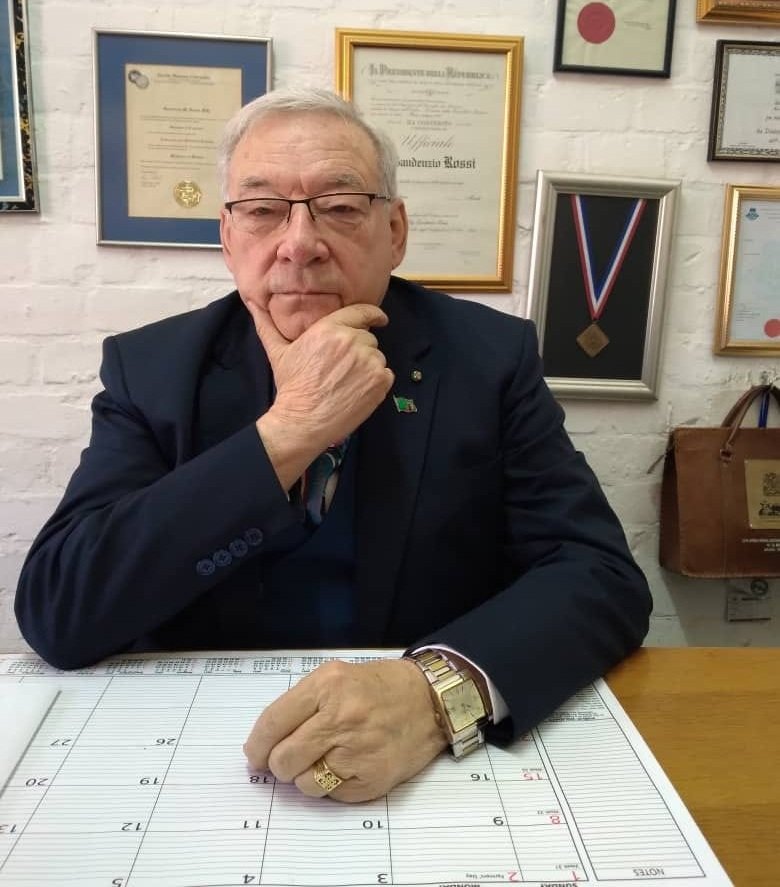
CHSZ chairperson Professor Gaudenzio Rossi said it was good that government has recognised that protection of persons with albinism was not a standalone issue but one that intersected with broader national priorities, including social protection, health, education and human rights.
“Collaboration will be essential. No single institution can achieve these goals alone. Partnership must remain at the heart of this effort. Awareness and education are critical. We must continue to challenge harmful beliefs and promote understanding within our communities,” Prof Rossi said.
“Accountability must guide us. The success of this National Action Plan will depend on measurable progress and sustained commitment.”
He said this at the launch of the action plan in Lusaka Friday.
In an effort to promote and protect rights of persons with albinism, the Ministry of Community Development and Social Services, in collaboration with stakeholders, has developed the NAP, which is anchored on 10 principles adopted from the Constitution, the Persons with Disabilities Act and the United Nations Convention on the Rights of Persons with Disabilities.
Community Development minister Doreen Mwamba said while Zambia had made progress in promoting human rights, persons with albinism continued to face unique and serious challenges.
In a speech read on her behalf by Mbabala Member of Parliament Joseph Munsanje, Mwamba said harmful myths and misconceptions persisted in communities, which had contributed to stigma, discrimination and in extreme cases, acts of violence including loss of lives
She said women and children with albinism remained particularly vulnerable, especially in rural and border areas.
“Beyond safety concerns, persons with albinism often face barriers in accessing quality health services, including skin and eye care; inclusive education, and psychosocial support services. These challenges are not merely social issues; they are human rights concerns that require urgent and coordinated action. In this regard, government, in collaboration with partners, has made progress through law enforcement responses, social protection support, public awareness efforts, and engagement with traditional leaders,” Mwamba said.
She said these initiatives had collectively contributed to initiatives for addressing violence, vulnerability and harmful beliefs affecting persons with albinism.
Mwamba said however, such efforts had not always been sufficiently coordinated or sustained as gaps remained which included inadequate data systems, accountability mechanisms, and the low scale of public awareness interventions.
“It is precisely these gaps that the action plan seeks to address. The action plan therefore represents a comprehensive, structured, and multi-sectoral framework for the protection of persons with albinism,” she said.