




ARREST HUNGER, NOT OPPONENTS
… Fr Lastone Lupupa says leaders must redirect the energy spent on jailing political rivals toward tackling poverty
By Charles Musonda
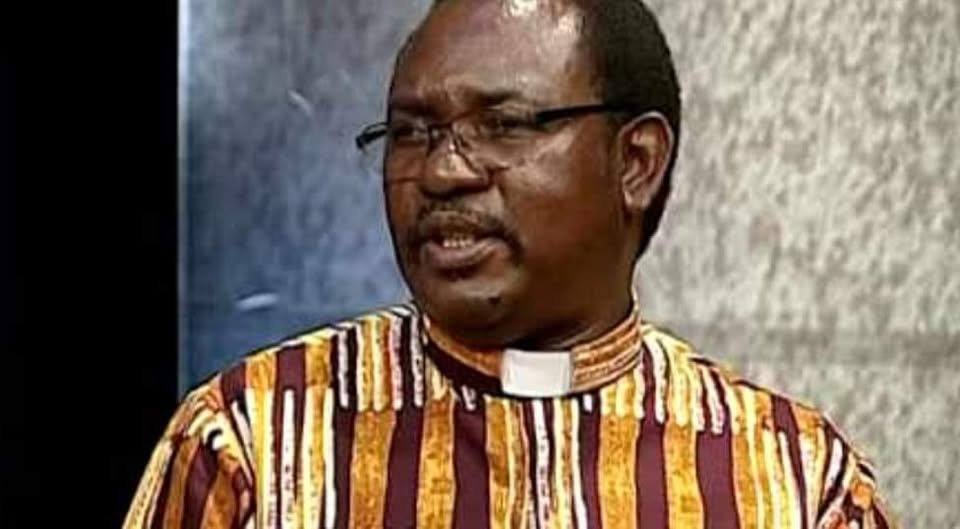
ZAMBIAN leaders must channel the same energy and resources spent on arresting opposition figures into fighting hunger and poverty, Father Lastone Lupupa has said.
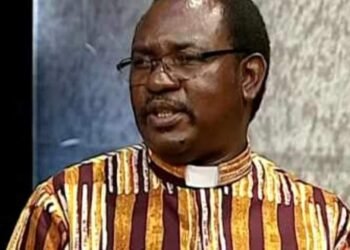
Speaking in an interview with The Mast last Thursday, Fr Lupupa who is also Christian Nation FM chief executive director, said the resources being devoted to pursuing opposition leaders could, if redirected, make a meaningful dent in ending poverty and hunger afflicting millions of ordinary Zambians.
“If we can arrest hunger, if we can arrest poverty the way we have been arresting human beings in the last four years, then there will be no hunger in this nation,” he said.
He said the United Party for National Development (UPND) government could have eliminated hunger and poverty in its last four years in government.
“We would have incarcerated, we would have jailed hunger, we would have jailed poverty. In other words, it is the system that is supposed to be arrested. If there are constant accidents on the road and you keep on focusing on the drivers, you might miss the point. Why don’t we examine the vehicles or the roads?” he said.
Fr Lupupa said if the UPND government was genuinely interested in helping the people of Zambia, it would have begun by addressing the systemic challenges undermining the welfare of ordinary citizens.
“[For example] the Constituency Development Fund (CDF) should have been given to constituencies as an investment and not something to be consumed. If those meal allowances are given to students as an investment and not something to be consumed, the university has the School of Mines, and if it were given a good mine, then they would have raised enough money to pay the lecturers,” Fr Lupupa said.
He said investing across different sectors of the economy would have improved the livelihoods of ordinary Zambians while also strengthening the financial sustainability of universities and reducing their dependence on government grants.
Fr Lupupa said grants were not a sustainable model for funding public institutions such as universities, which should be at the forefront of driving development, entrepreneurship and innovation in the country.
“So that is what we mean by arresting the system, because as long as the system does not promote us generating income, if we borrow to chew instead of borrowing the same amount of money that we sold ZCCM for, we could be rich.
Now, if we sell ZCCM to a foreigner, what do we remain with to pay that debt, because the investors also borrowed money to come and invest in our country, so that is the system that is not working for us. Scientifically speaking, we are like a doctor who is focused on the symptoms and not treating the root cause of the disease,” he said.
Fr Lupupa said in its four years in government, the UPND had focused on treating the symptoms of Zambia’s problems rather than addressing their root causes.
“…and what are the symptoms, Malanji [former Minister of Foreign Affairs Joseph Malanji], those are the symptoms of the system and all those people behind bars. They should have addressed the system first,” Fr Lupupa said.
He said even the arrest of President Hakainde Hichilema during his time in the opposition was itself a symptom of deeper systemic failures, which should have never been allowed to happen.
“That treason case was not the man; it was the system that did not allow an opposition leader to function the way he was supposed to be functioning and that is the way things are happening now,” Fr Lupupa said.