





US AID FREEZE BITES
…triggers increase in HIV infections, deaths – NGO
By Thandizo Banda
THE unexpected withdrawal of 84 per cent of HIV funding to Zambia by the United States (US) President’s Emergency Plan for AIDS Relief (PEPFAR) has triggered an increase in HIV infections and HIV-related deaths in the country, experts have observed.
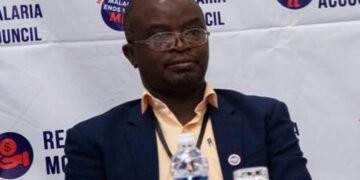
The Network of Zambian People Living with HIV (NZP+) warns that the aid freeze has disrupted HIV services leading to an increase in new infections and deaths in Lusaka and other provinces.
In an interview with The Mast, NZP+ executive director Fred Chungu said a mathematical modeling study estimated that a three-month disruption in aid could lead to 54,860 new HIV infections (+13 per cent) and 32,550 additional deaths (+8.7 per cent), while a four-year disruption could result in 552,500 new infections (+130 per cent) and 330,400 deaths (+89 per cent).
The Zambia Statistics Agency (ZAMSTATS) last week announced an increase in HIV infections in the capital city, Lusaka, in 2025, standing at 12.1 per cent.
Commenting on the spike, Chungu described the situation as serious, especially among vulnerable populations like adolescents, children and women.
“With the US aid cut, HIV awareness campaigns in Lusaka have been affected, making it harder for people to get useful and up-to-date information and adhere to life-sustaining treatment,” he said.
Chungu urged government to quickly roll out its sustainability plan prioritising domestic funding towards HIV programmes and activities.
He said any further delay to domestically fund HIV activities would affect outreach programmes, including testing and treatment services.
“NZP+ is currently struggling to raise its yearly US$1 million to effectively tackle the resurgence of the epidemic. We are currently relying on K2 million annual malaria support for Central and Copperbelt provinces from the Global Fund, which is not enough to also cater for HIV,” Chungu said.
He feared HIV statistics would continue to escalate if the government failed to find domestic funding.
Chungu is worried about reports of people selling ARVs, calling for a probe into the matter.
“We have asked that our members be monitored in the collection of supplies to ensure that there is no pilferage and resale,” he said.
He, however, commended government for restocking health centres with the single-dose ARV, TAFED, which had fewer side effects.
In May last year, the US Embassy in Lusaka announced the Donald Trump administration was cutting funding to the health sector by US$50 million effective January 2026.