







SADC election review academic, comes too late
Editorial Comment
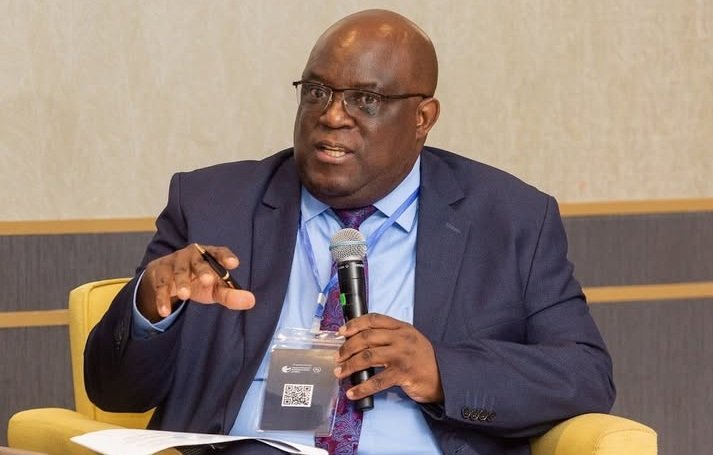
THE concerns raised by governance expert Reuben Lifuka over the timing of the Southern African Development Community (SADC) Electoral Advisory Council’s (SEAC’s) post-election review deserve serious reflection.
Elections are the heartbeat of any democracy, and how they are managed, assessed and improved upon determines the credibility of both national institutions and regional bodies mandated to safeguard democratic norms.
Across Southern Africa, election observation and post-election reviews are meant to serve as early warning systems and corrective tools. When done promptly, they help to prevent the repetition of mistakes, reduce political tensions and strengthen public confidence in democratic institutions.
However, when delayed, they risk losing relevance, as political contexts change and the urgency for reform is overtaken by new electoral pressures.
At the centre of Lifuka’s argument is timing. A post-election review conducted nearly four years after the 2021 general elections, and almost a decade after the contentious 2016 polls, stretches the very purpose of such an exercise. Electoral reviews are meant to be learning tools and instruments that diagnose weaknesses while memories are still fresh, institutions are still malleable and reforms can be meaningfully implemented before the next electoral cycle gathers momentum.
When such reviews are delayed, they risk becoming academic exercises rather than catalysts for reform.
In Zambia’s case, electoral concerns raised in past elections have included issues of voter registration, media access, campaign financing and the independence of institutions. These are not minor administrative matters. They go to the core of electoral credibility. Addressing them requires time, consultation and legislative or administrative adjustments, all of which are difficult to achieve when a country is already approaching another election.
Zambia’s 2021 general elections marked a significant political transition, ushering in the United Party for National Development (UPND) administration on the back of public demand for democratic renewal. That moment presented an ideal window for SADC and other regional partners to engage early, highlight shortcomings and support institutional reforms.
Conducting the review now, with the country only months away from another general election on August 13, limits the practical value of whatever recommendations may emerge.
This timing also places unfair pressure on institutions tasked with implementing reforms. The Electoral Commission of Zambia (ECZ) and other electoral bodies in the region cannot overhaul systems overnight, and rushed changes may create confusion rather than clarity. Meaningful reform is deliberate, consultative and incremental.
This is not to say the exercise is entirely without merit. On the contrary, post-election assessments remain an important pillar of democratic consolidation. They help to strengthen electoral management bodies, refine legal frameworks and build public confidence in the electoral process. However, for such reviews to be effective, they must be timely, thorough and, above all, consequential.
Lifuka’s call for SADC to introspect and review its own electoral protocols is therefore justified. The regional body has often been criticised for election observer missions that issue cautious or overly diplomatic assessments, sometimes at odds with the experiences of local stakeholders. Delayed reviews only deepen the perception that SADC’s interventions are conducted for appearances’ sake, rather than as genuine efforts to entrench democratic standards in the region.
Equally important is the need for inclusivity. As Lifuka rightly notes, the SADC Electoral Advisory Council must genuinely listen to all stakeholders, including political parties, civil society organisations, faith-based groups and ordinary citizens.
Elections are not merely events managed by electoral commissions. They are national processes whose legitimacy depends on broad public trust. A review that sidelines critical voices risks missing the very issues that undermine electoral credibility.
That said, responsibility does not lie with SADC alone. The Zambian government also has a duty to demonstrate political will by acting on any recommendations that emerge from the review, however late they may be. Electoral reform is an ongoing process, not a one-off event tied to election dates. Even if certain changes cannot be implemented before August, they can still inform longer-term reforms that strengthen future polls.
Ultimately, Lifuka’s warning should be taken as a prompt for both national authorities and regional bodies to rethink how they approach electoral oversight. Democracy cannot be sustained through symbolic gestures or delayed interventions. It requires timely action, honest self-assessment and a firm commitment to continuous improvement.
As Zambia approaches another critical electoral moment, the lesson is clear that reviews must be proactive, not retrospective formalities. If SADC is to remain relevant as a guardian of democratic principles, it must ensure that its processes are responsive, credible and capable of effecting real change. Otherwise, even well-intentioned missions risk arriving too late to matter.