




Zambia losing $8.8bn to tax evaders, says Sensio
By Thandizo Banda
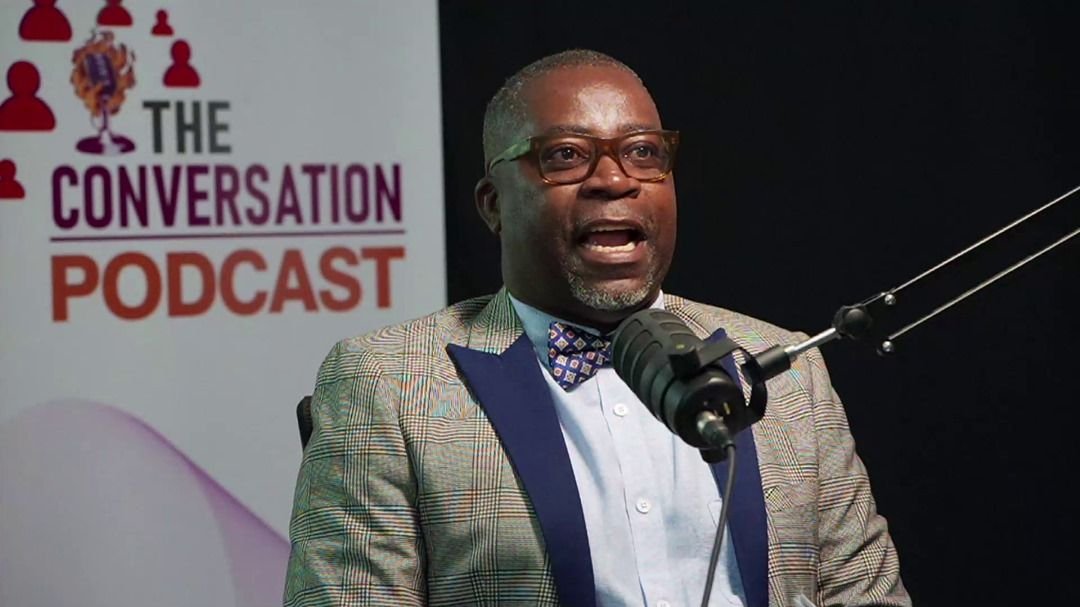
ZAMBIA is losing about US$8.8 billion annually in tax evasion and illicit financial flows, former Kasenengwa member of Parliament Sensio Banda has said.
Banda said the US$8.8 billion the country was losing annually in illicit financial flows could significantly boost the nation’s economy and replace dependence on foreign aid.
He said with 75 per cent of United States (US) aid directed towards health, any significant withdrawal would cause havoc and jeopardise the health sector.
Banda said if the US government decided to cut aid from the health sector, salaries of over 16,000 health workers would be affected throughout the country, collapsing the sector.
“There is an issue of the supply of ARVs for over a million Zambians, and this would be affected, too. This is the reason why we need to address the gaps in the finance management to stop thefts and other illicit financial flows,” he said.
Banda said Zambia needed strengthened financial regulations and enforcement rules urgently.
“The diplomatic landscape between Lusaka and Washington has shifted from the soft language of development partnership to the hard logic of mutual accountability and business. This should be a source of concern for all Zambians,” he said.
Banda said the recent pronouncements by the US Ambassador to Zambia Michael Gonzales signaled a seismic change.
“The United States is no longer interested in funding the symptoms of poverty if the host government is perceived to be subsidising the disease of corruption. For Zambia, a nation historically reliant on American largesse, the honeymoon period following the 2021 change in government is over,” he said.
The chances of maintaining current aid levels were now tied strictly to performance.
Banda said while the current administration ascended to power in 2021 on a zero-tolerance platform, information suggested a grueling uphill battle.
“Despite high-profile arrests of former officials, critics and international observers point to a troubling perception lag and systemic inertia,” he said.
Banda said the 2023 and 2024 Auditor General’s reports continued to flag billions in financial irregularities.
“Notably, the 2023 simplified report highlighted K10.2 billion in queried amounts across sampled ministries, including wasteful software procurement and ghost worker payrolls,” he said.
Banda cited the World Justice Project; Zambia’s Absence of Corruption score, which hovered between 0.36 and 0.38 from 2021 to 2024, showing no significant statistical improvement.
“Transparency International Zambia [TI-Z] gave the administration a low performance rating [approx. 2.4/5] regarding the enactment of lifestyle audits and asset declaration laws, the very sound reforms Ambassador Gonzales emphasised,” Banda said.
He said the US$600 million the US gives to Zambia annually under the new performance-based model was no longer guaranteed.
“We have already seen the pause in certain foreign assistance in early 2025, which disrupted critical HIV services and agricultural programmes,” he said.
Banda said the country needed to transition from a recipient mindset to a sovereign economic actor.
He said the immediate enactment of the Access to Information (ATI) law and mandatory Asset Declaration for all controlling officers was no longer optional but a survival requirement.
“The era of the soft bigotry of low expectations is dead. Ambassador Gonzales has effectively handed Zambia a mirror; the reflection shows a nation at a crossroads,” Banda said.