






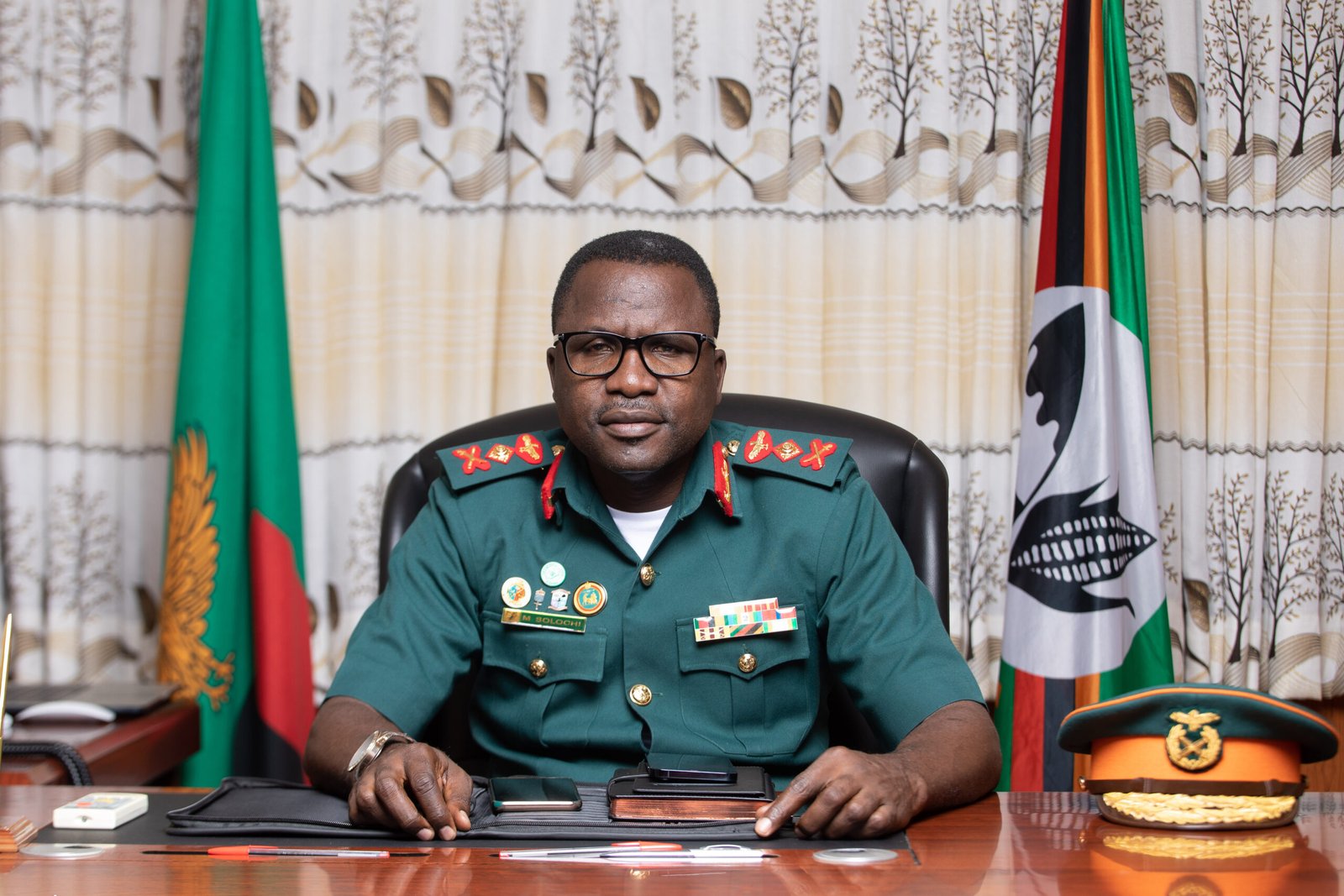
ZNS, Solochi must explain UNZA cash handouts
THE spectacle of Zambia National Service (ZNS) Commander Lieutenant General Maliti Solochi dishing out cash to University of Zambia (UNZA) students has left the nation unsettled and searching for answers.
At a time when students were protesting over troubling, unsanitary conditions at the country’s premier institution, the response from a senior military figure was not to outline immediate remedial measures or offer a clear plan of action, but to hand out money.
That action captured on video and now widely circulated, raises serious ethical, institutional and governance concerns that cannot simply be brushed aside.
Zambians have the right to ask. What was the money meant for, where did it come from, and how will it be accounted for? These are not trivial questions. They go to the heart of public accountability and the proper use of state resources.
Even more troubling is the broader institutional question on whether ZNS has drifted from its clearly defined mandate as a wing of the Zambia Defence Force? ZNS has long been respected for its contributions to economic development, infrastructure projects, and agricultural production and youth skills training.
Public confidence in such an institution depends on discipline, professionalism and adherence to its core functions. Actions that blur these lines risk eroding that confidence.
Governance activist Laura Miti has described the incident as tantamount to bribery, arguing that it reflects a familiar and troubling pattern in Zambia to silence dissent not through dialogue and solutions, but through handouts or intimidation.
Her concerns echo those of many citizens who see this as part of a wider culture where immediate appeasement is preferred over sustainable problem-solving. Chienge Member of Parliament Given Katuta has also questioned the appropriateness of uniformed officers distributing cash, asking what motive could justify such conduct.
Equally concerning is the response or lack thereof from the authorities. Ministry of Defence Permanent Secretary Mambo Hamaundu suggested that the commander may have acted out of compassion, while admitting he had not seen the video. Compassion, however, cannot replace accountability. Nor can it justify actions that raise legitimate suspicions about misuse of funds or abuse of authority. Even more disappointing was the dismissive tone taken by Defence Minister Ambrose Lufuma when pressed for answers. In moments like these, transparency is not optional; it is essential.
What makes the situation even more tragic is the context in which it occurred. UNZA’s sanitation crisis is not new. It is a long-standing problem that has repeatedly endangered student welfare. The incident of a student drowning due to poor infrastructure underscore the urgency of meaningful intervention. Had the same energy and resources used to distribute cash been directed towards resolving these sanitation challenges, perhaps such a loss of life could have been avoided. Zambia does not need symbolic gestures, it needs solutions.
There are also troubling questions about public funds. Claims that millions of kwacha were allocated for sanitation works at UNZA, yet little progress is visible demand urgent investigation. Allegations that only a fraction of these funds reached their intended purpose, while the rest may have been misappropriated, are serious and must not be ignored. Calls for a forensic audit are not only justified but necessary to restore public trust.
Ultimately, both Government and ZNS owe the nation a clear and honest explanation. Silence or defensiveness will only fuel suspicion. If the money distributed was personal, that too must be clarified. If it was public, then the chain of authorisation and accountability must be laid bare. Institutions like ZNS must remain above reproach, guided by discipline and transparency.
This episode should serve as a wake-up call. Zambia’s challenges, whether in education, health or infrastructure cannot be solved through ad hoc gestures. They require planning, accountability and respect for institutional roles. Anything less risks normalising a dangerous precedent where public institutions are drawn into actions that undermine their integrity.
Zambians deserve answers and they deserve better.