
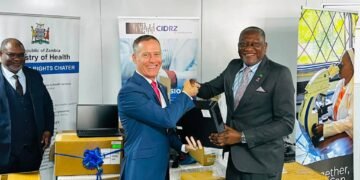

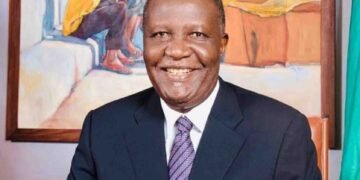




Will US$1.5bn health deal be signed, Kasonde wonders
By Mast Reporter
THERE’S growing uncertainty surrounding the US$1.5 billion US-Zambia health deal, human rights lawyer Linda Kasonde says.
Speaking Friday during a public forum on health aid, sovereignty and the national interest, Kasonde, who is LCK Freedom Foundation executive director, said the funding had sparked panic among Zambians because it seemed to benefit foreign interests at the expense of Zambians.
She said Zambians were deeply concerned about the decisions that would affect the health, dignity and future of the country through the US-Zambia health deal.
“The decisions we discuss today are decisions about your lives, your bodies, your children and your land. Your presence at this table is not a courtesy. It is a right,” Kasonde said.
She said Zambia needed to interrogate its relationship with the world, focusing on the shifting demands and policies.
“For many decades, Zambia has been a beneficiary of international cooperation in the health sector. Programmes such as PEPFAR, the United States President’s Emergency Plan for AIDS Relief, have played a truly transformative role in the lives of millions of Zambians, particularly in the national response to the HIV/AIDS pandemic,” Kasonde said.
She said, however, the world in which the partnerships were forged was changing rapidly, shifting away from traditional development aid towards transactional forms of international engagement.
Kasonde said the US government policy had changed from aid for development to transaction or better system, with the focus on America first.
“It is against this backdrop that a proposed health aid agreement between the Republic of Zambia and the United States has come to public attention, and it is this agreement and the process surrounding it that brings us together today. The questions this agreement raises are not abstract or theoretical. They are
immediate, concrete and consequential. They go to the heart of what it means to govern in the interest of our own people,” she said.
Kasonde said the proposed deal touched on the rights of patients, the security of national data and the integrity of the country’s natural resources.
She wondered whether the proposed health aid agreement was putting the interests of the Zambians first.
Kasonde urged Zambians to demand accountability and transparency in the manner the health deal would be concluded.
“There has been a notable and troubling absence of transparency
surrounding the negotiation of this agreement. In a constitutional
democracy, agreements of this magnitude agreements that bind the state, that allocate public resources and that carry long-term implications for citizens, must be subject to robust public scrutiny. The reported suspension of the signing of the health aid agreement, pending the conclusion of a separate Bilateral Compact Agreement relating to the exploitation of Zambia’s valuable mineral resources, raises the most serious of questions,” she said.
“Reported provisions requiring the supply of medical data and patient specimens over extended periods raise urgent questions about the privacy, dignity, and safety of Zambian patients. What precisely is the nature of the data to be collected and shared? Under what conditions? With what limitations on its use? What safeguards exist to prevent misuse? And what are the national security implications of the systematic transfer of biological and health data to a foreign government? These issues are of great concern,” Kasonde said.
She said no financial inducement should justify the suspension of rights to health or any.
Kasonde said there was need for government and the US administration to take an honest approach to the demands in the health deal.