



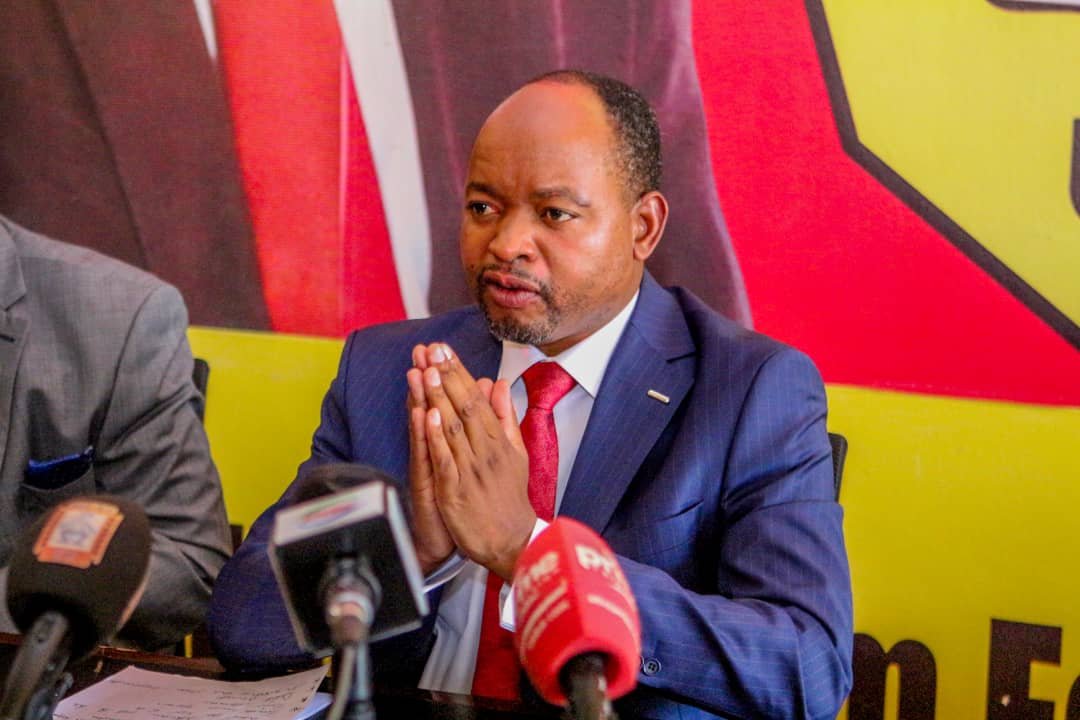
Polio detected in Lusaka, govt panics
By a Correspondent
A POLIO virus has been detected in the environment in Lusaka Province causing panic in the Ministry of Health.
Chief government spokesperson Cornelius Mweetwa said laboratory analysis had confirmed the presence of poliovirus type 2 from an environmental sample collected in Lusaka District through routine surveillance systems.
Mweetwa, who is acting health minister, said there were currently no confirmed cases of paralysis linked to the detection.
“There is an outbreak of polio in Lusaka and efforts are being made to address the outbreak of type 2 poliovirus,” he said.
Mweetwa warned that the presence of the virus in the environment indicates active circulation within the community and requires immediate action to prevent possible infections, particularly among children.
Mweetwa said Southern Africa sub-region remained on high alert following recent poliovirus isolations in Malawi linked to previous transmission in Zimbabwe.
He said the strain detected in Lusaka closely matches one previously identified in Namibia, which was connected to Angola, suggesting ongoing regional transmission.
“We are very careful in the manner we are handling the cases as they seem to come from somewhere. We are on high alert and monitoring what is going on,” he said.
Mweetwa said the situation was a public health emergency of international concern because of the risk of cross-border spread and the potential to reverse gains made in the elimination of polio.
He said government, through the Ministry of Health, had activated emergency response measures in collaboration with partners under the Global Polio Eradication Initiative.
“These include intensified surveillance for acute flaccid paralysis cases, expanded environmental sampling, risk communication campaigns and targeted vaccination drives for children at high risk, regardless of previous immunisation status.
Routine immunisation services are also being strengthened to maintain high coverage nationwide,” Mweetwa said.
He urged members of the public to support vaccination efforts and to observe proper hygiene practices, including regular hand washing with soap and safe sanitation, to limit the spread of the virus.
He called on communities to cooperate with health workers and to seek information from trusted sources as authorities work to protect children and prevent further transmission.